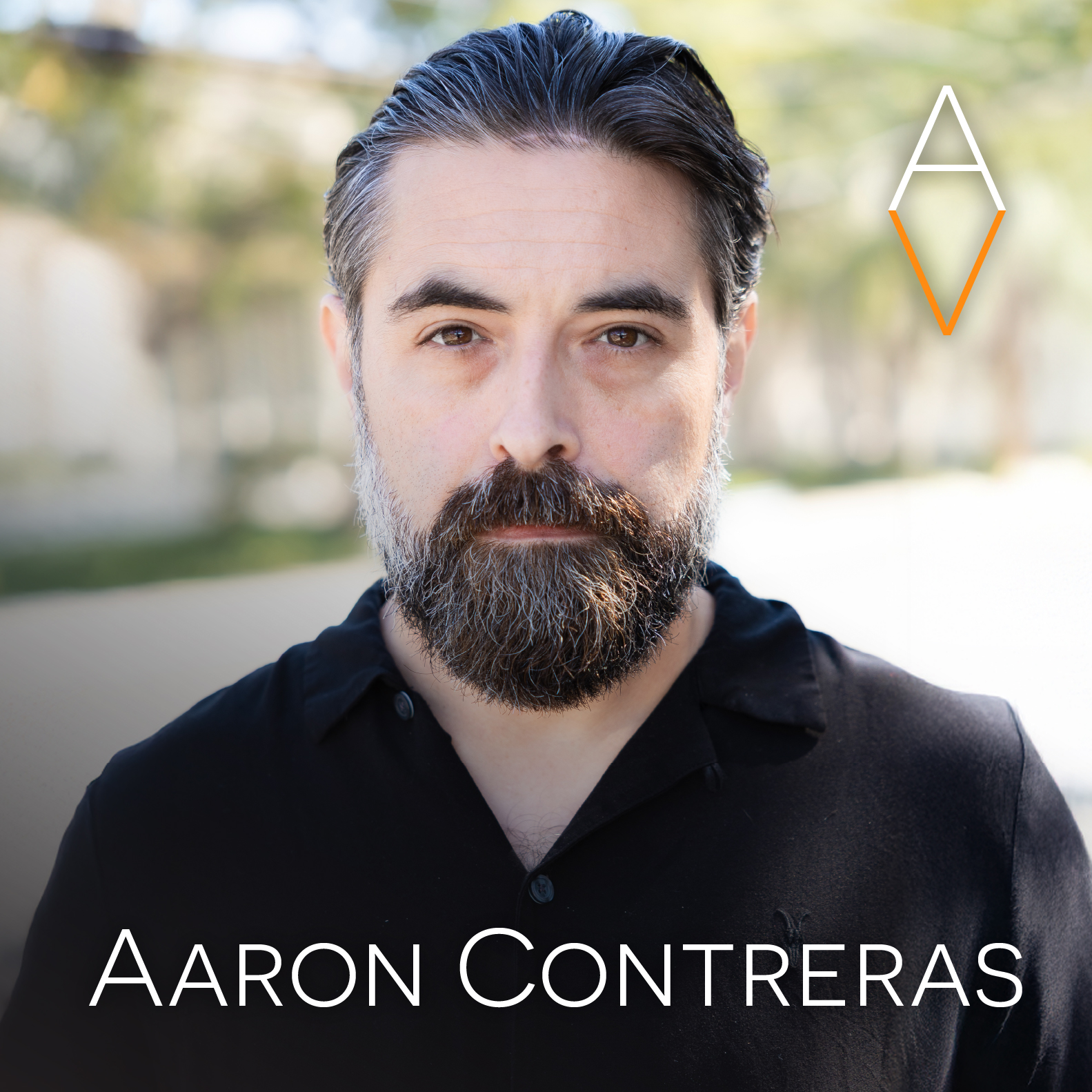
Aaron Contreras

Narrative Director

Aaron Contreras | Writing Impactful Stories In Games & Breaking Into The Industry
Follow them on
YouTube - Podcast X Webflow Template

Credits

No items found.

Guest Bio

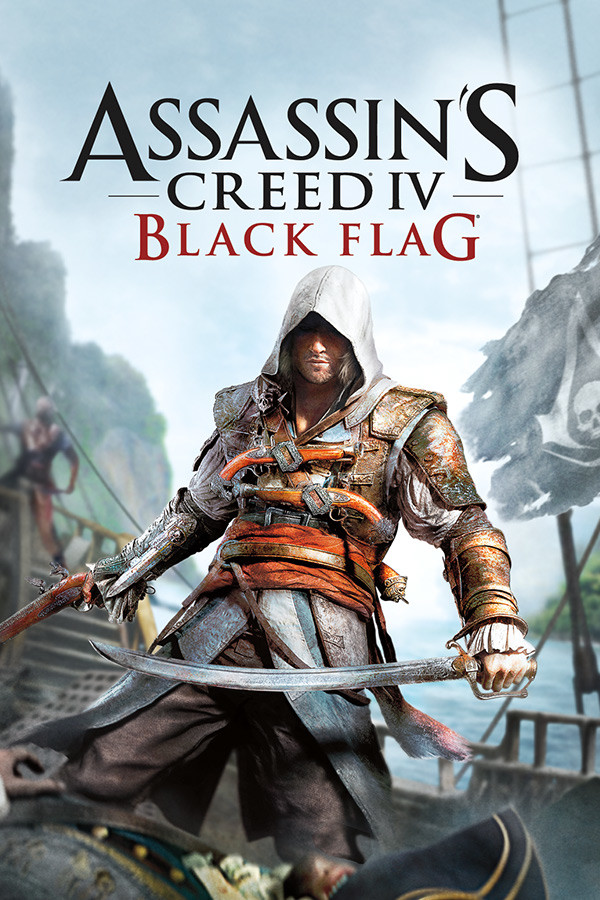
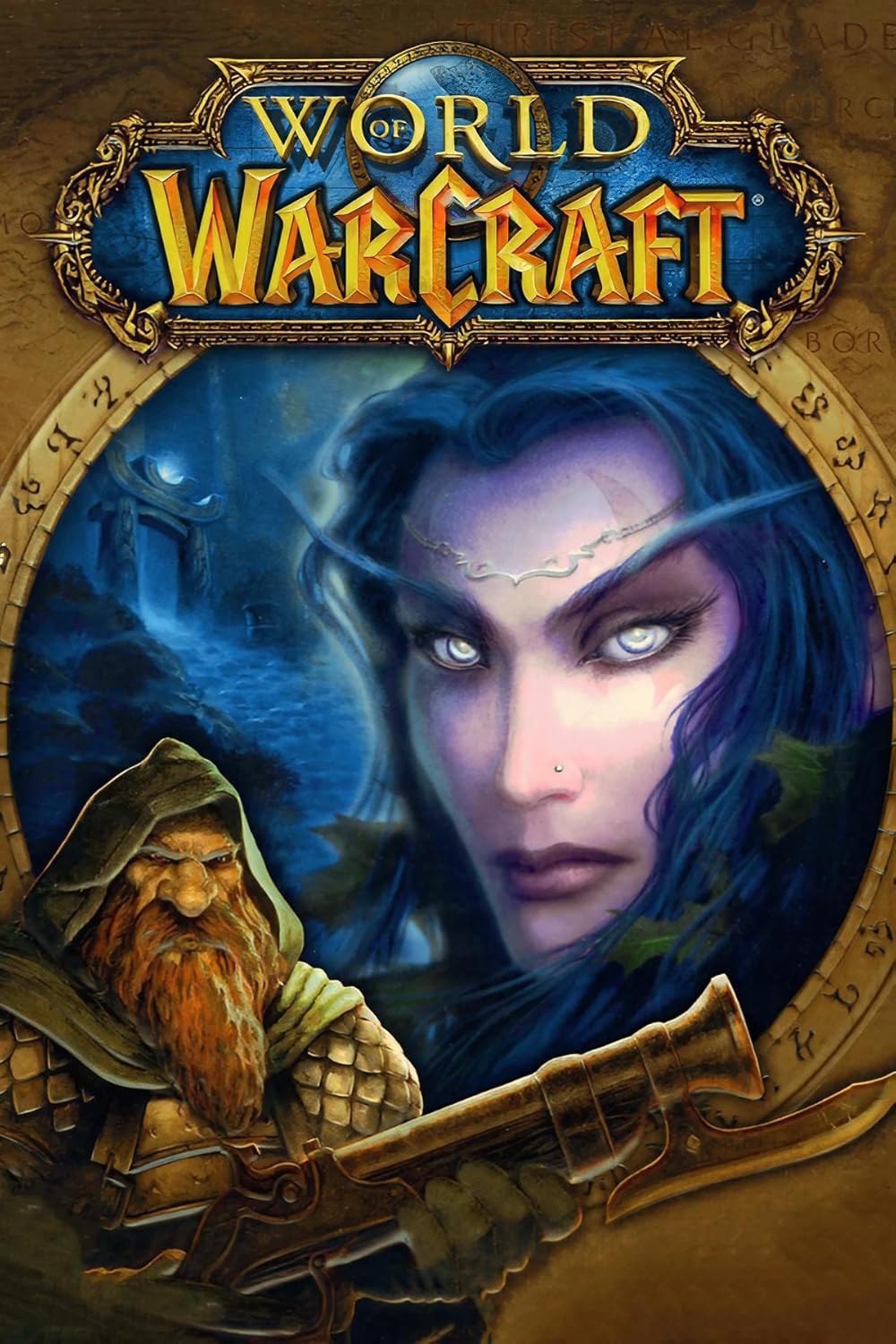
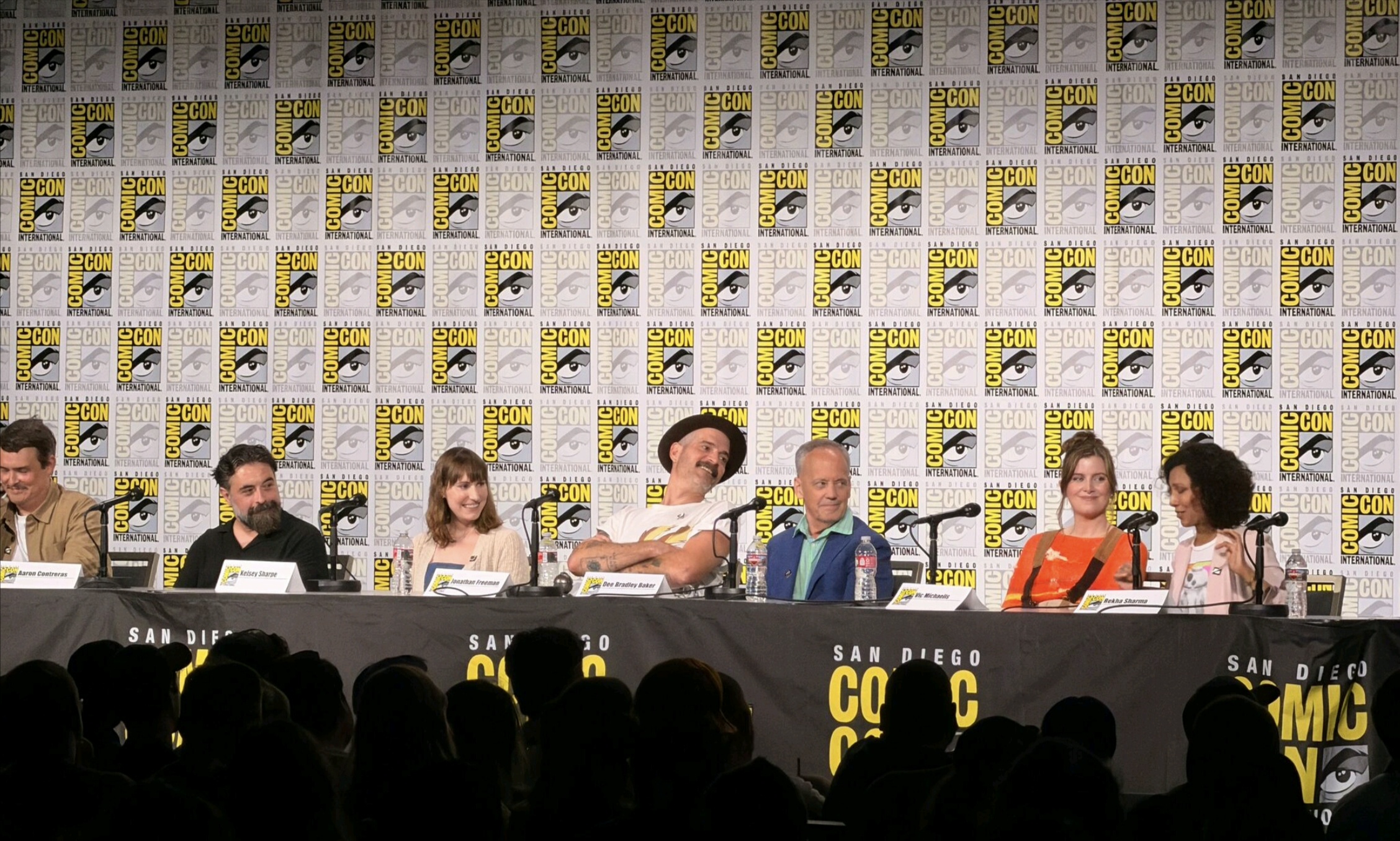
Aaron Contreras has wanted to make video games for as long as he can remember, and for years the industry put barriers in his path he had to overcome. Born in 1977, he grew up on everything Star Wars was built from, the myths of the hero's journey, the samurai films of Kurosawa, the Westerns and the Buck Rogers screwball comedies, and he says the Star Wars saga itself is in his bones because his brain was still soft when it was the biggest thing going on. Despite his exposure to great film and TV, games were the stronger pull. An early hobby he now happily calls an addiction. Though he loved games, he did not have a way to make them. He never went to university, he could not get a design interview, had no degree, no awards and nothing published. He tried anyway against all odds and, by his own account, failed again and again. He stayed persistent, and the only way he knew he was going to build a career in the video game industry was to put it in absolute terms: he was going to make video games, or he was going to die trying. Without that "catastrophic binary", he feels he would have made excuses and never done it. And in time it worked! He found an entry point in tech support, moved into QA, and finally landed on the night shift testing World of Warcraft. It was far from the job he wanted, but it was an in and he fought his way from the night shift to the day shift. That, he says, is when he got serious. Testing one MMO finally earned him the interview for a junior game designer role on another MMO. After years of trying, he had a foot in the door and a path forward. It was a designer's door and not a writer's, but this experience would shape every story he went on to tell.

"Get it on the sticks, get it in the game as rapidly as possible. Just do it. Talking about the thing and doing the thing are two totally separate occupations. At some point, the work you're doing that's not the art is keeping you from actually doing what you need to do."

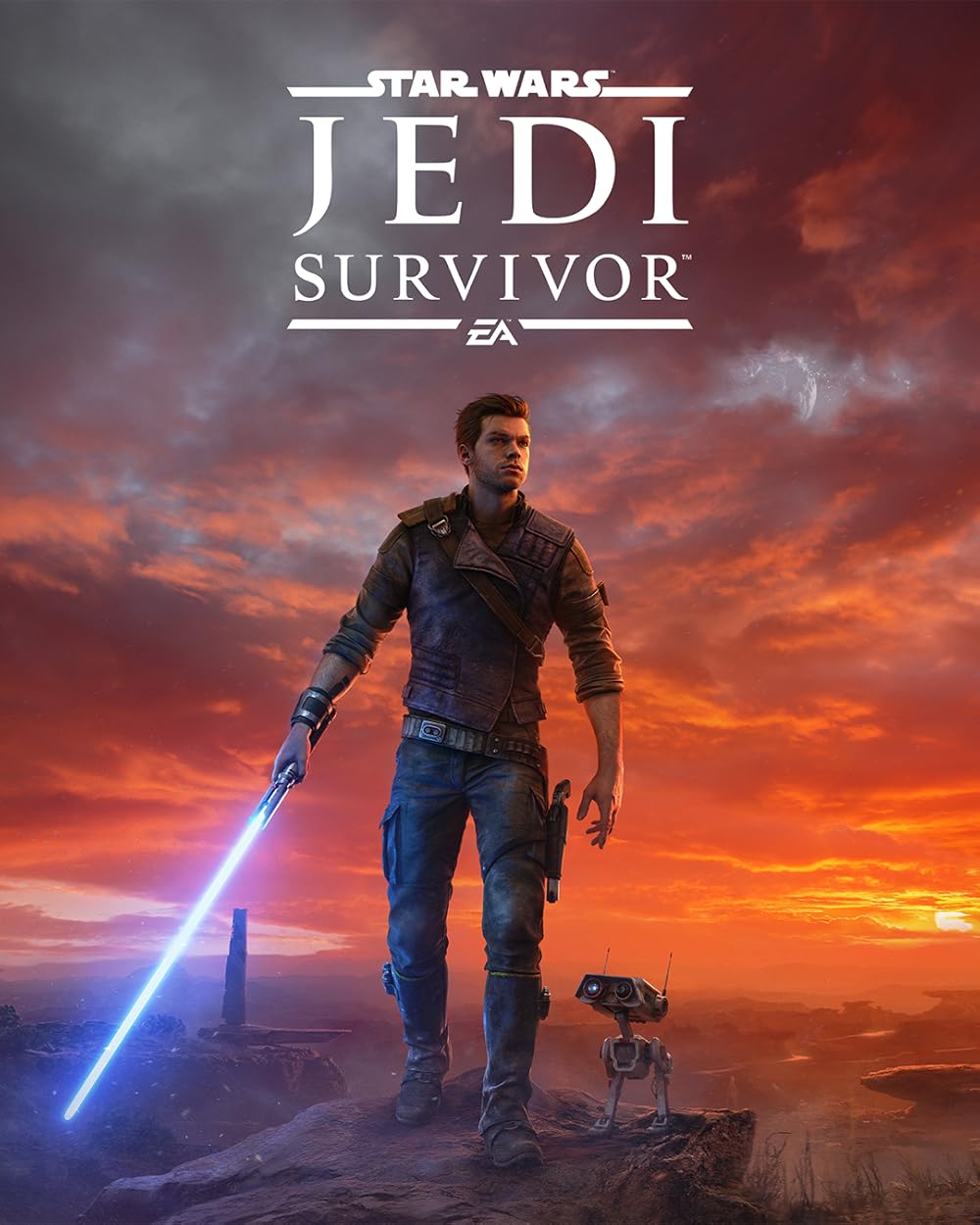
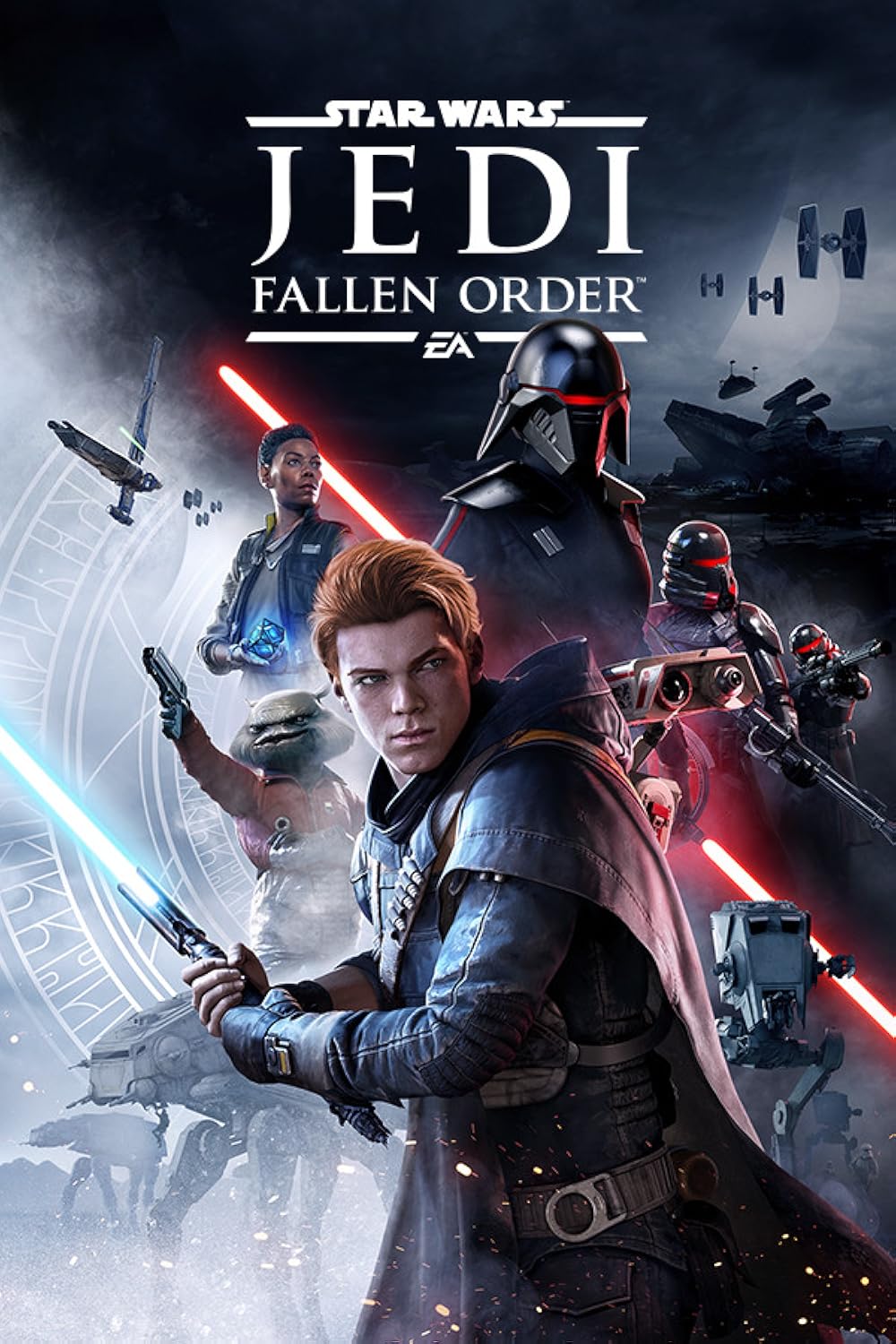
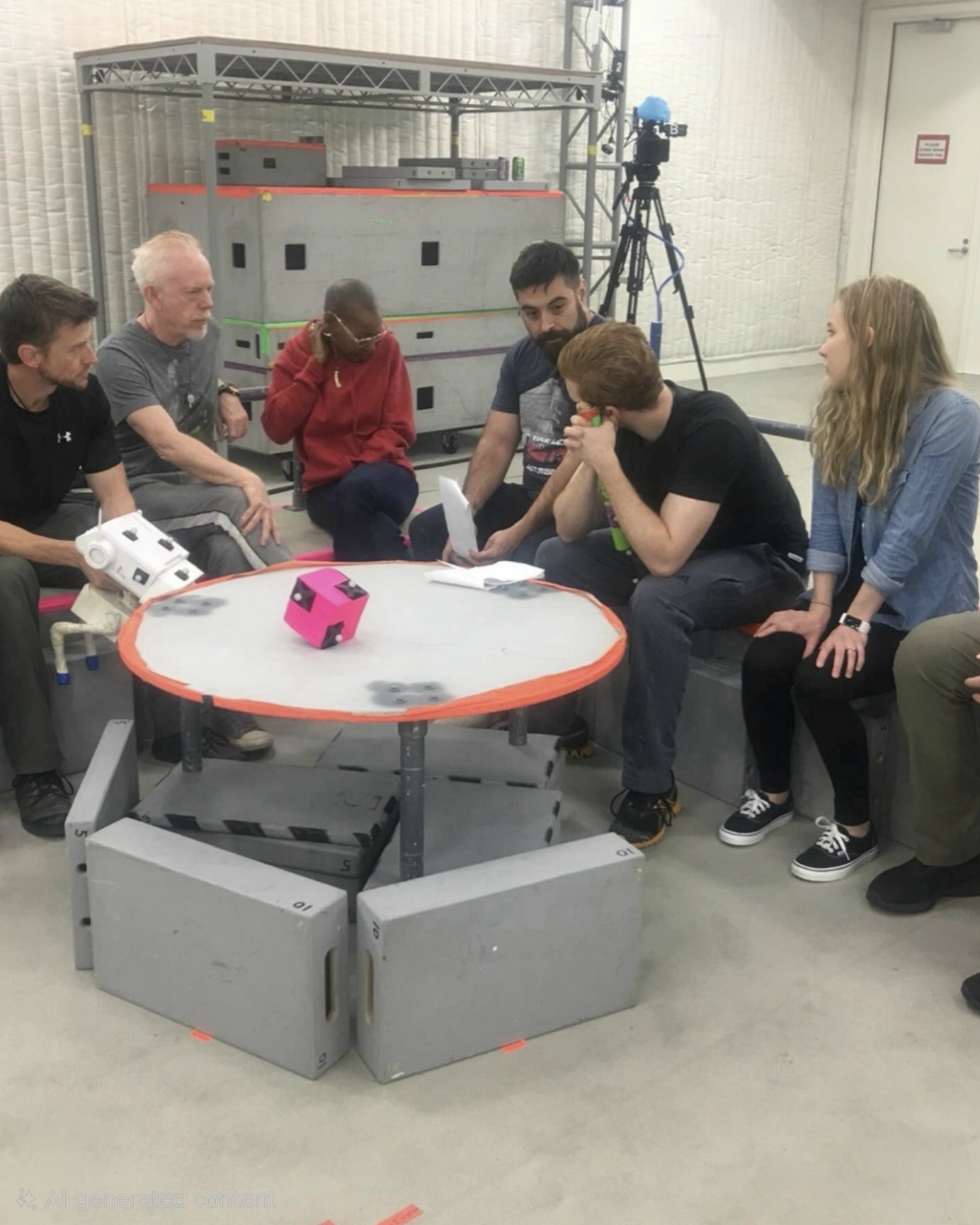
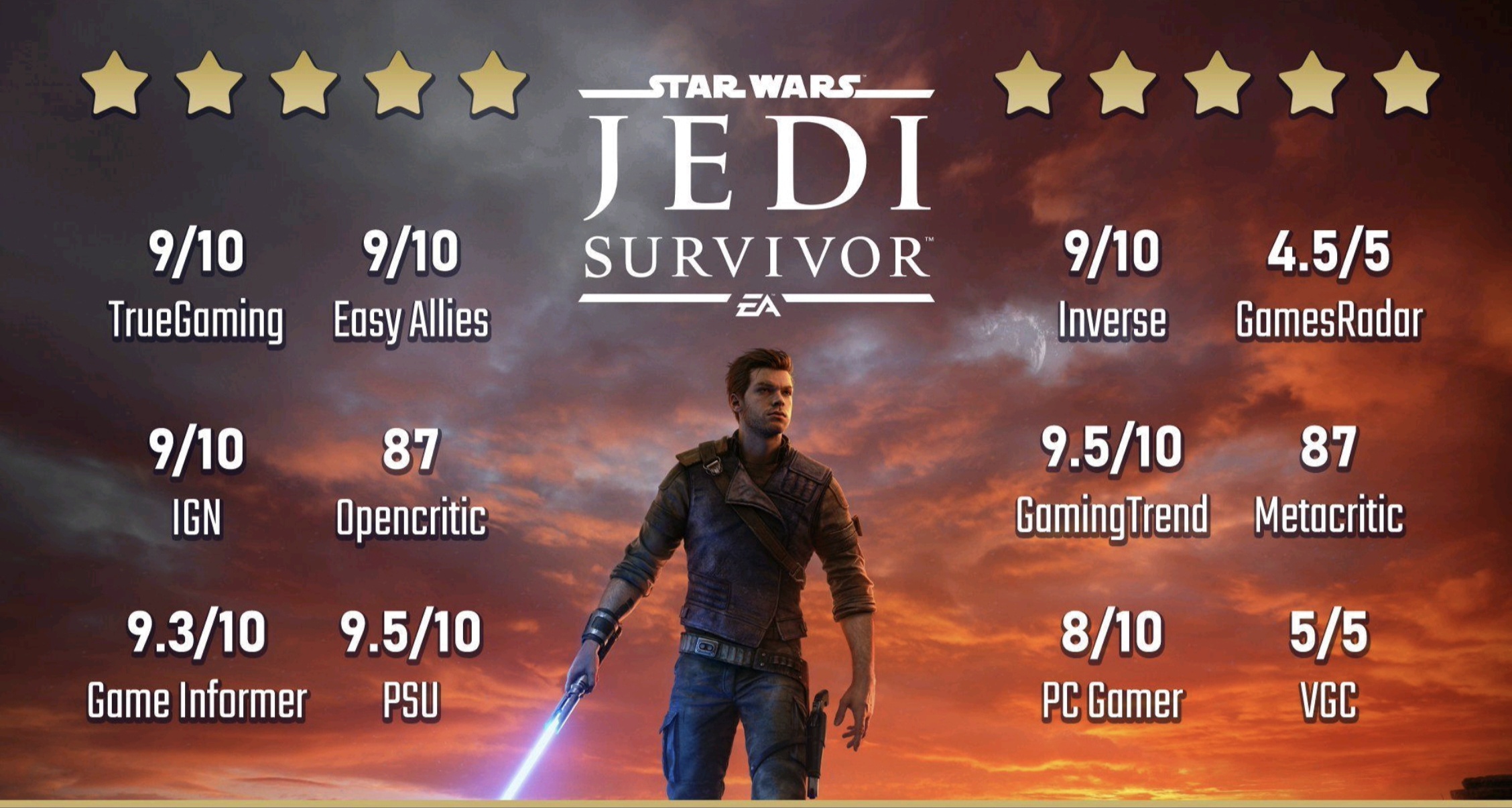
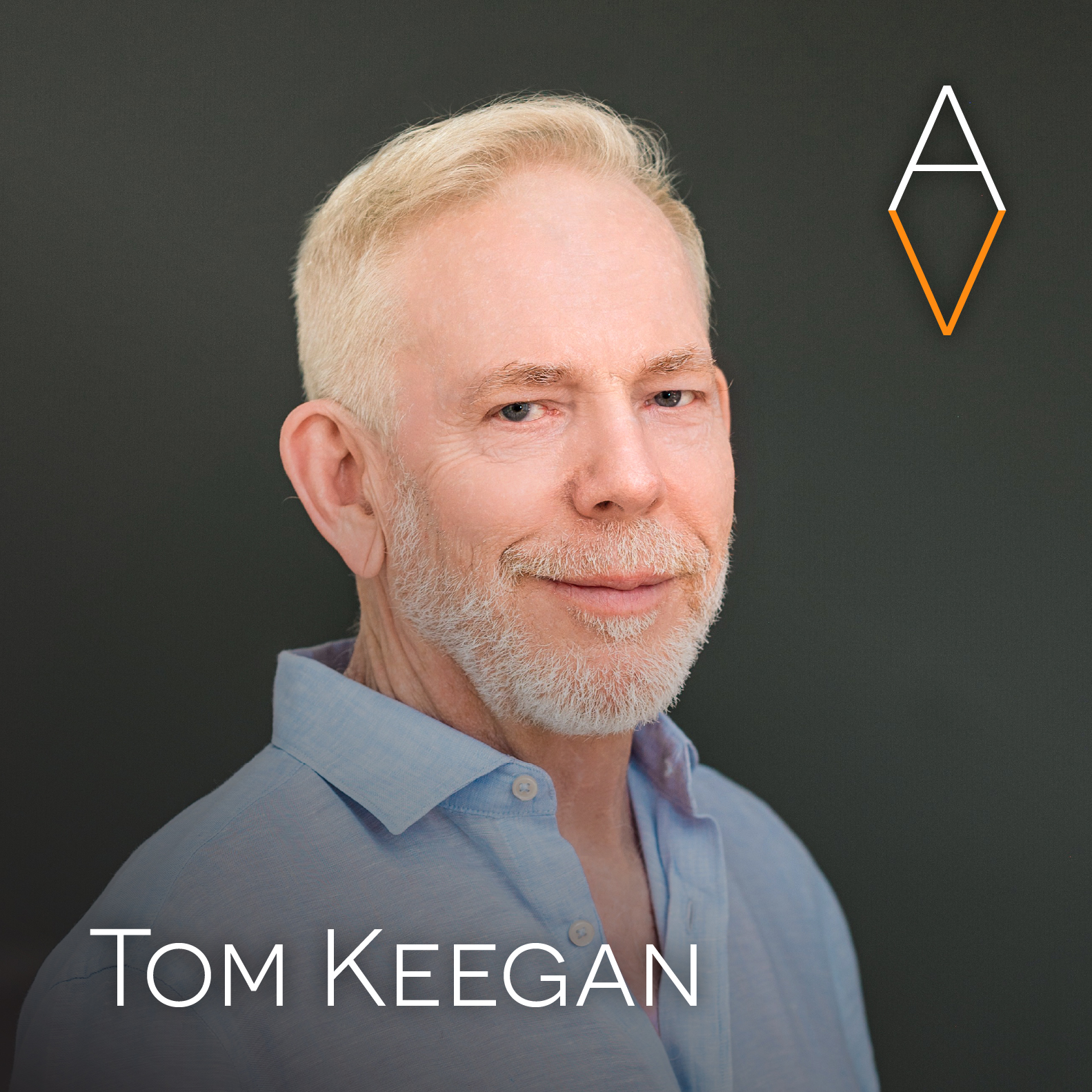
From that first design job, he worked his way towards story. Over the years, his career as a game designer shifted into a career focused on game narrative, where he continued to seek out opportunities and moved from job to job whenever one stopped giving back what he was putting into it. The longer he refused to go away, the more of himself he poured into the work, and each step fed the next. In late 2017 that climb led him to Respawn, where he was brought onto Star Wars Jedi: Fallen Order, joining as its narrative lead two years before it shipped. Before Fallen Order he would not quite call himself a true Star Wars fan, but he knew how much the brand meant to its fans, so he made it his homework and studied the lore until he could explain by heart exactly how blaster bolts are made: from Tibanna gas mined at Cloud City, with the color of each bolt showing how pure or how cheap that gas is, which is why a stormtrooper's bolts are red. Fallen Order was also the first time he had worked closely with cinematics in games. This was a new level of storytelling for him, one that he watched Performance Director Tom Keegan guide the cast through, where he learned when to step in and when to step back to allow the collaborative process of storytelling to flourish. That being said, Aaron still left his mark on the game. One of his first calls on the story, and one of his proudest, was to move the Order 66 flashback from the opening to deep into the game. Wherever he could, he put that story "on the sticks", in the player's hands, right down to the moment the player has to choose to put the lightsaber away mid fight to progress the story. To Aaron that is the strength of the medium. In film or TV you sit through a scene, and in a game it does not happen unless you push forward on the stick. Star Wars Jedi: Survivor followed, and this time he was there from the very beginning as narrative director, with a team ready and determined to beat the first game in every way. Then the pandemic hit and threw a whole slew of unexpected challenges in their way. Work moved from in person to video calls, and the team had to learn to collaborate creatively in a whole new way. For Aaron that meant six to eight hours of back-to-back calls a day, with the writing itself left for afterwards. Despite all of it, they still finished an award-winning game, one nominated for its storytelling at the BAFTA Games Awards, the Golden Joystick Awards and the Steam Awards.

"I don't really put much stock in originality for ideas. I think things become original through the combination of ingredients that you put together, and the pressure cooker of the project. It's not about having an idea nobody's ever had before. It's about finding innovative ways to put things together."

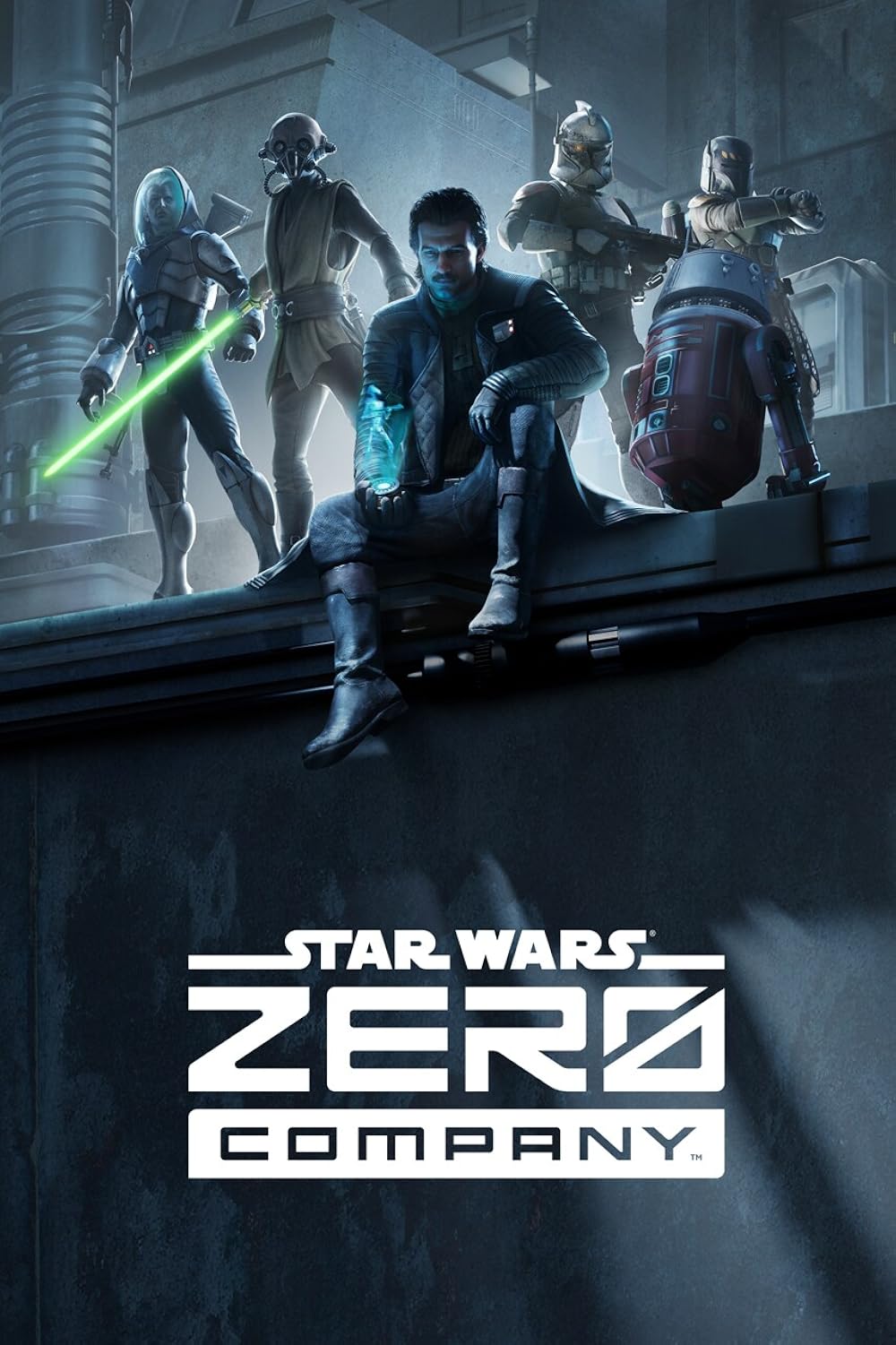
Nowadays, Aaron continues to push the boundaries of storytelling in games as a Narrative Director, and has recently added Performance Director to his roles with Star Wars Zero Company, which allowed him to shape a story from conception to completion. Made by Bit Reactor, Zero Company launched in 2026 to the highest Metacritic score a Star Wars game had earned in 22 years. When not making games, he keeps his skills sharp by playing everything, from sports games to small indie titles, and keeps a mental Rolodex of how other games solved an industry problem. He is chasing what he calls the undiscovered country of his art form, taking stories in games to a new level, one where the player stands inside the scene and is no longer a bystander to it. He never expects to get there alone. He builds his teams with people he believes in, helps them grow as creatives, and lifts them over the very barriers he had to fight through early on. He calls game development a team sport, and he sees his job as hearing out the brand, the designers, the stunt coordinator and the actors who know their characters best, then choosing the path that allows the game to resonate with players. Under all of it sits the belief that carried him off the night shift in those early days: if you truly want something enough, and refuse to go away, the world cannot stop you. Aaron has made, and continues to make, games that move this industry forward. He has become a true Game Developer and he luckily did not have to die trying.

"If you want to be a thing, go be it. And if you want it true enough, the world can't stop you. Persistence is the only omnipotent thing out there in the world. That's why I'm doing what I'm doing, why I'm sitting here. I just didn't give up."

Watch Their Work

Special Notes

Questions Asked

1. With that work and where it's at right now, is there anything that you can say or want to say about Zero Company or the characters in it?

2. You are a man of many talents. Can you kind of explain what a narrative director is, because that is your official title, right?

3. Can you kind of explain the process of having an idea like that for a scene in your head and being like, let's make it happen, all the way to actually making it happen?

4. I've heard plenty of people say Fallen Order can be pretty difficult. Was that ever a deliberate decision, to be like, if we're putting Cal on this journey and we want people to experience a journey, let's make sure that it's challenging?

5. How early in the process did you shoot those cinematics? Did you shoot them beforehand so Cameron had that actual experience to draw from, or did you at least have the script already written so he could read it and understand what was going on?

6. When you've already shot the scene and then you realize you missed something and need to tweak some things, how difficult is it to go back and convince the team to do another performance capture shoot for the benefit of the game?

7. Can you elaborate on the script writing process, and how much a script can change as production parameters change?

8. Is being that open to changing a line something that you learned over the years, or is it something you approached your work from early on?

9. With such an iconic character, was it your choice to have Vader in the script or did somebody else make that decision, and what was that process like to get all of those pieces approved?

10. You've been living in this Star Wars universe for a long time now. Was this a dream of yours, and do you have to pinch yourself sometimes thinking, wow, I am part of this Star Wars universe?

11. So how are blaster bolts made?

12. What's your character development process like when you're creating characters? Do you think of their attributes first, or a scene first, or their relationships with other people?

13. We have a lot of new actors, young actors that haven't worked in the performance capture space, that are going to be watching this. From your perspective as a writer and director, what advice would you give an actor who is making their entrance into the p-cap space?

14. You have told me there was a point where you said, I'm going to do video games or I'm going to die. Going back to that Aaron who made that decision, what would present day Aaron say to him?

15. Do you have any advice for anybody who wants to be a writer or a narrative director, on how they could start, whether it's skill sets or finding a job?

Episodes