Ali Hillis

VO & PCAP Actor

Ali Hillis | Lead With Courage, Make Bold Choices, & Bring Yourself To The Character
Follow them on
YouTube - Podcast X Webflow Template

Credits

No items found.

Guest Bio

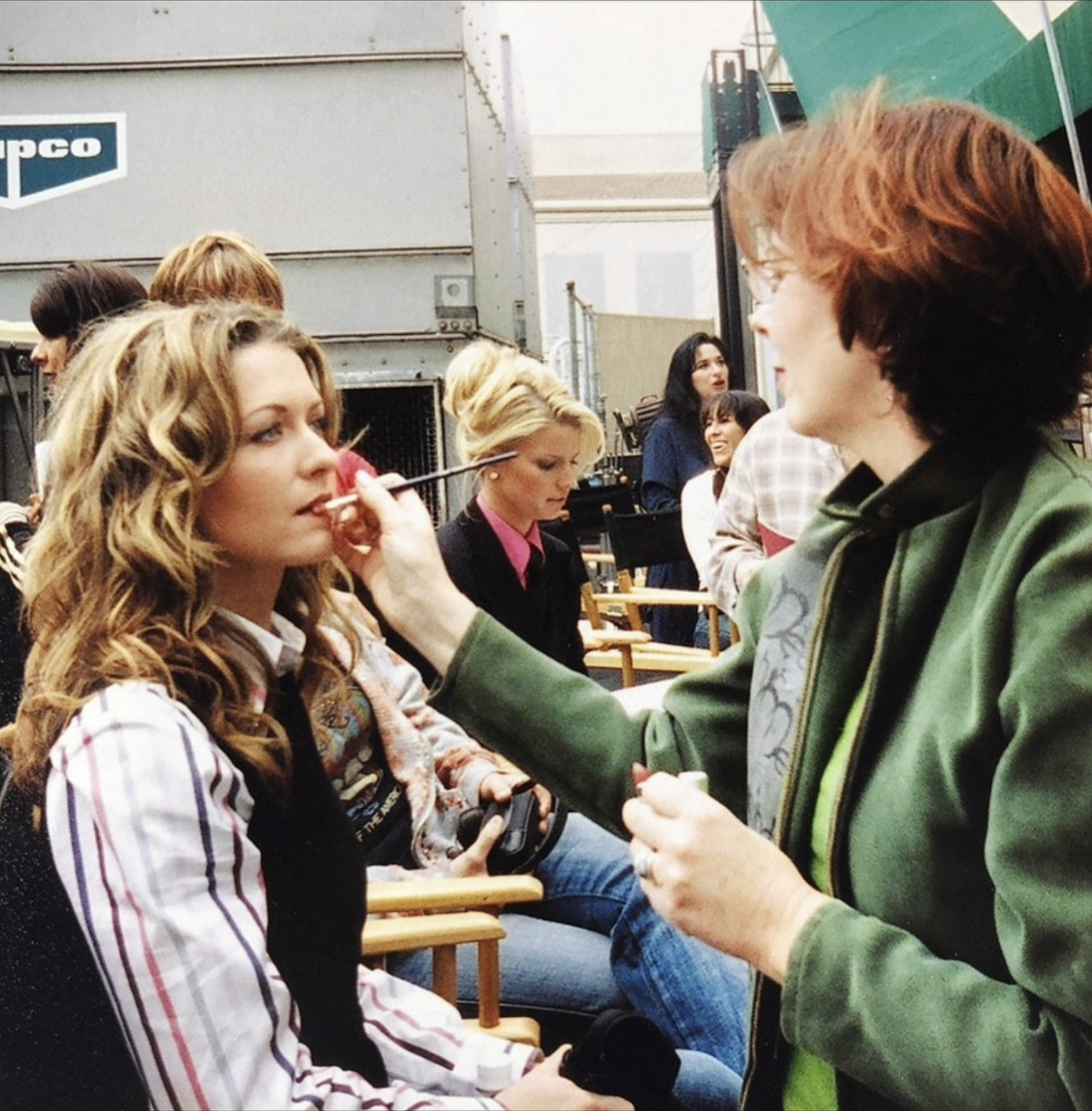
Ali Hillis was born into a military family, so childhood meant moving between Illinois, Wisconsin and then North Carolina. Arts were present in the family with an art teacher for a mother, but the first push came from her father, who thought she had a good voice and put her in front of the church congregation when she was about nine. Ali, young, terrified and crying backstage, sang "I'd Like to Teach the World to Sing" and the whole room clapped afterward. She realized she liked the attention, she realized she loved to sing, and she then realized she loved being on stage. Afterward, while the other kids went to soccer practice, Ali was bumming rides downtown to make shows happen with the theater kids, her eyes set specifically on musicals. All of that theater paid off when she was offered a full-ride scholarship for opera vocal music to East Carolina University. There, though, she quickly realized her place was still in the theater department and discovered a Meisner program that taught her the "pinch and the ouch", that acting is reacting, and that a strong choice beats a safe one. After graduating, Ali was ready to act professionally so she gave herself ten days in New York to find a roommate, an apartment, a job and an agent. She accomplished all four. Although she found success, New York is where she cut her teeth, and it showed her the reality of a life in the theater. She was booking plays and enjoying the work, but it wasn't enough to live on. She was still waiting tables and wearing her voice down inhaling bar smoke and yelling over crowds. She was torn between working at the bar to pay the bills, at the risk of her voice, and protecting her voice to do what she loved, at the cost of heavier day-to-day burdens. During that time, however, she booked Law and Order and her first television check made her see a future where she didn't have to wait tables and destroy her voice. After much thought, she fully pivoted to TV and film, choosing to put LA in her sights even though she was then asked to understudy on Broadway. But by then the truck was already rented and the next step was Los Angeles.

“If you make a wrong choice, make it big, make it huge. And there have been big jobs that I ended up testing for, being one of the final people for, or booking because I made the wildest choice.”

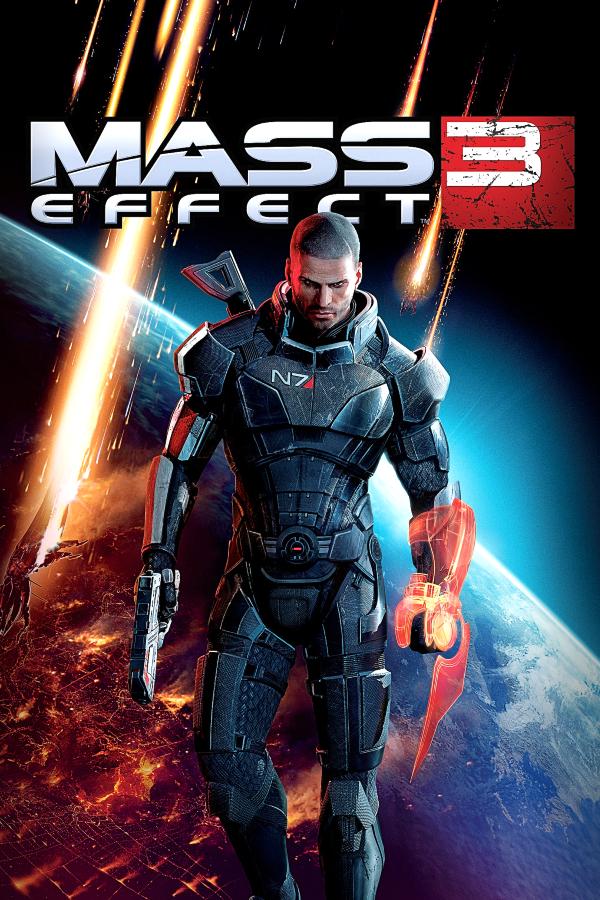
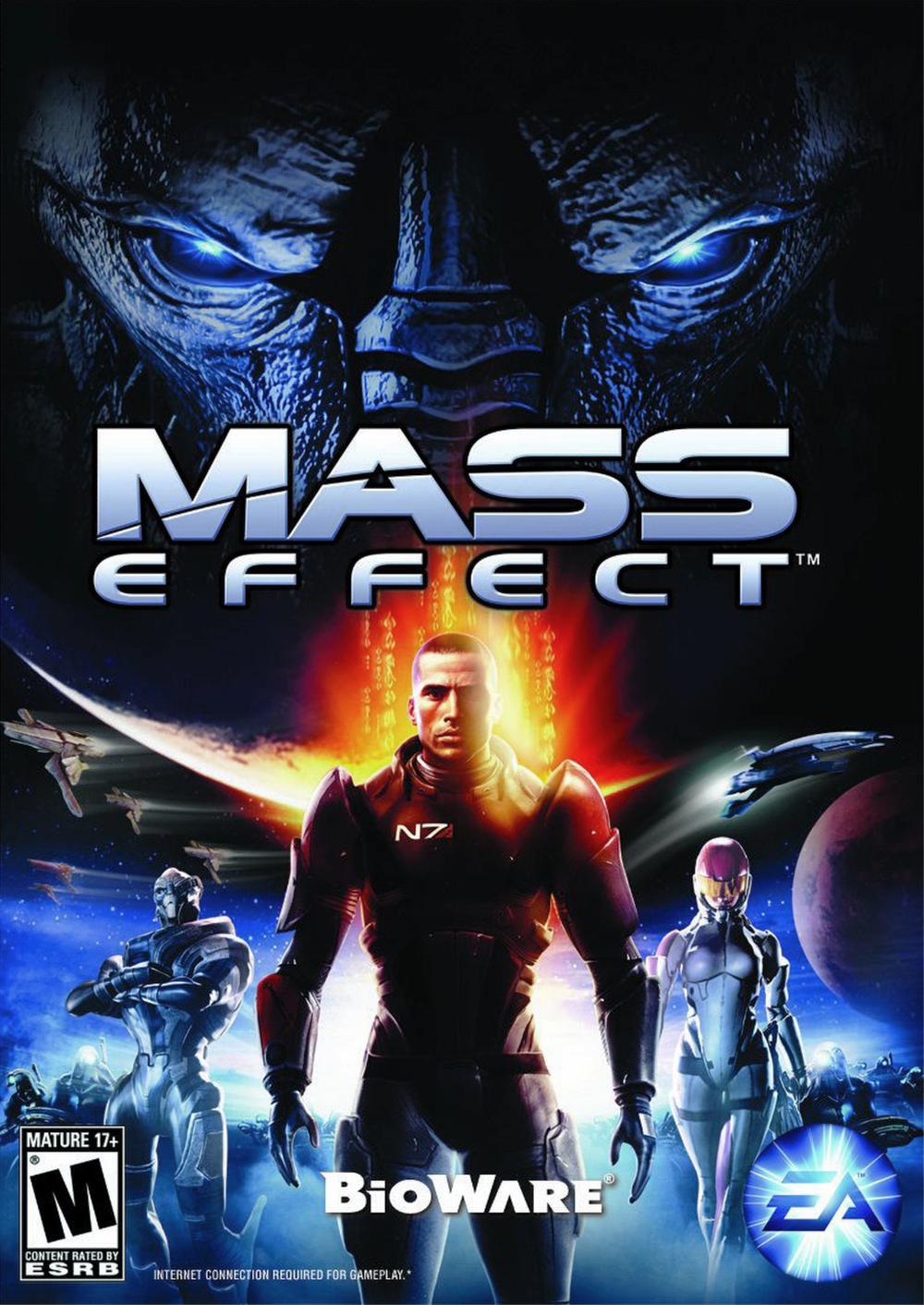
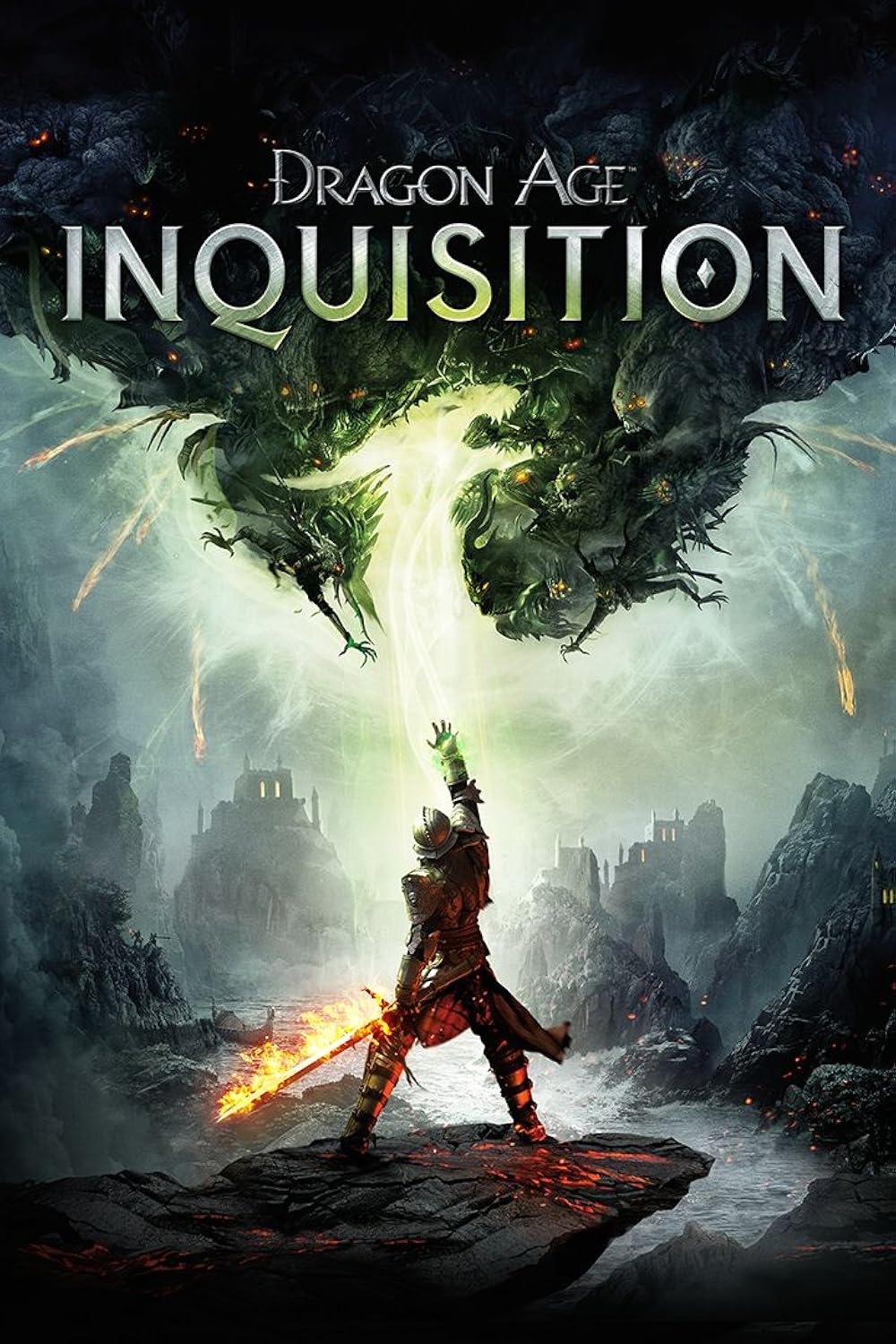
Ali landed in Los Angeles around 2000, just before big-name actors began moving into television, and the timing was good to her. Pilots, guest stars and recurring roles came quickly, and by the time she shot "Kiss Kiss Bang Bang" with Robert Downey Jr. and Val Kilmer she had a pilot of her own in the works. Around then, a friend called to say a voice agency had an opening, and Ali, who had no idea what voiceover was, checked it out anyway. She was asked to come back with a reel, which was very expensive at the time to make, so instead in the moment she asked to simply read copy from their recycling box full of scripts. She told the room, "I'm either good or I'm not." Her bold choice paid off and she was signed a week later. This began a career she never expected to be known for, or to fall in love with. In the booth, she drew on everything that came before it: music training, theater, the pavement-pounding, the business sense learned waiting tables, and one very specific piece of advice she had learned back in New York from a commercial agent. An agent who had sent her home to change out of the skirt and dolled-up persona she came in wearing, and to come back as herself. So Ali did just that and returned in overalls and a tank top, hair up in a ponytail, sitting cross legged across from the agent. The agent still didn't sign her but the important lesson held, and it is a core principle of her craft that has brought some of her most iconic characters to life. A principle to make bold choices and bring yourself to the role. The same principle that led her to find the voice of Lightning in Final Fantasy XIII, lowering her voice against what the studio expected while still letting the Japanese reference performance guide her strength and her sensitivities. It is how she built Liara T'Soni in Mass Effect from a simple paragraph and an early blue wireframe model, discovering Liara's inquisitiveness after tilting her head in the booth like one of her dogs. It is how she created Scout Harding's bashfulness in Dragon Age: Inquisition simply by putting her hands in her pockets and nervously drawing pictures with her toes in the sand. Characters that have inspired millions and that have helped define some of the video game industry's most legendary titles.

“We care a lot about these games, and so we care a lot about you guys. We care about what you think and we care about what you feel.”

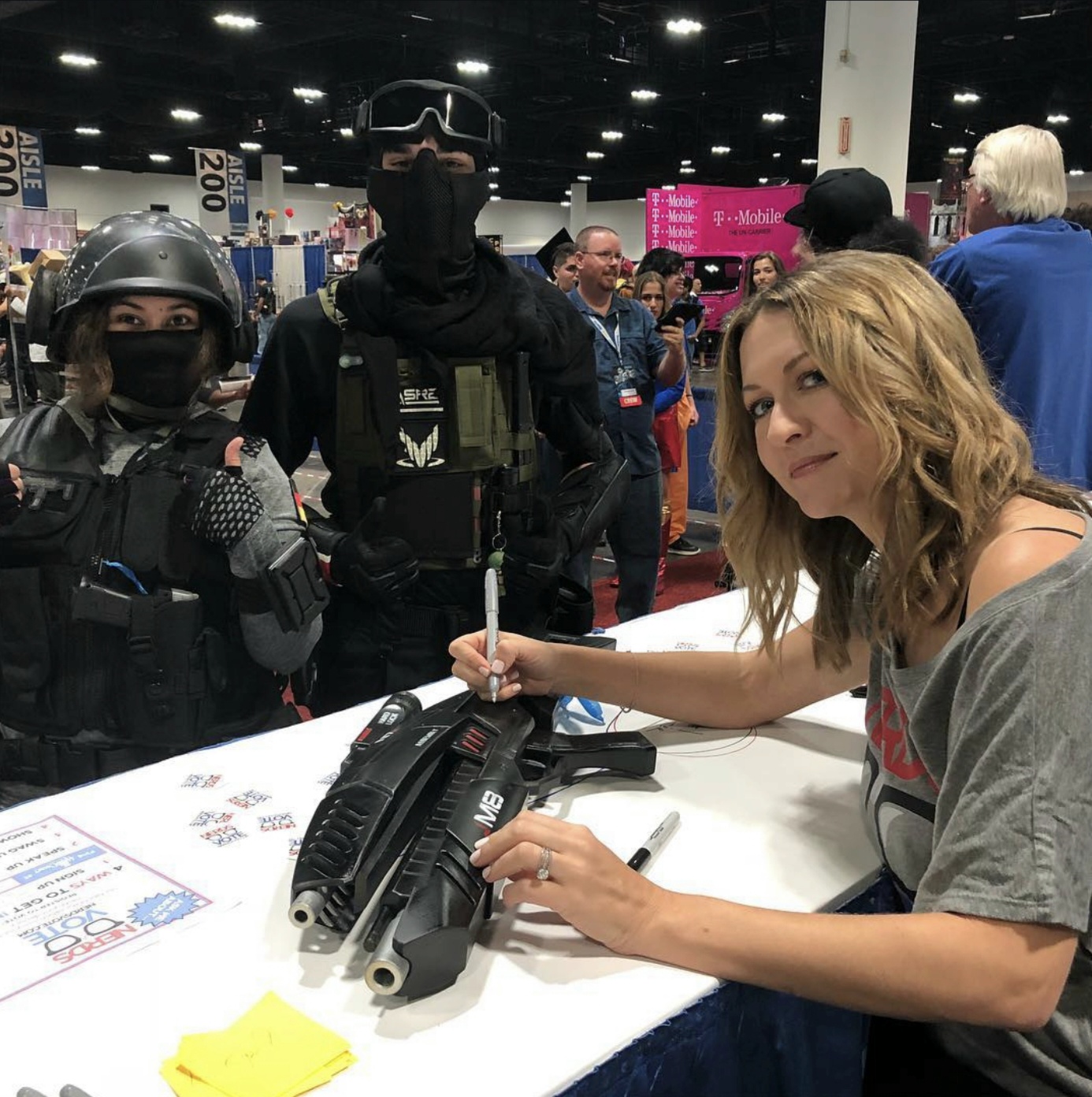
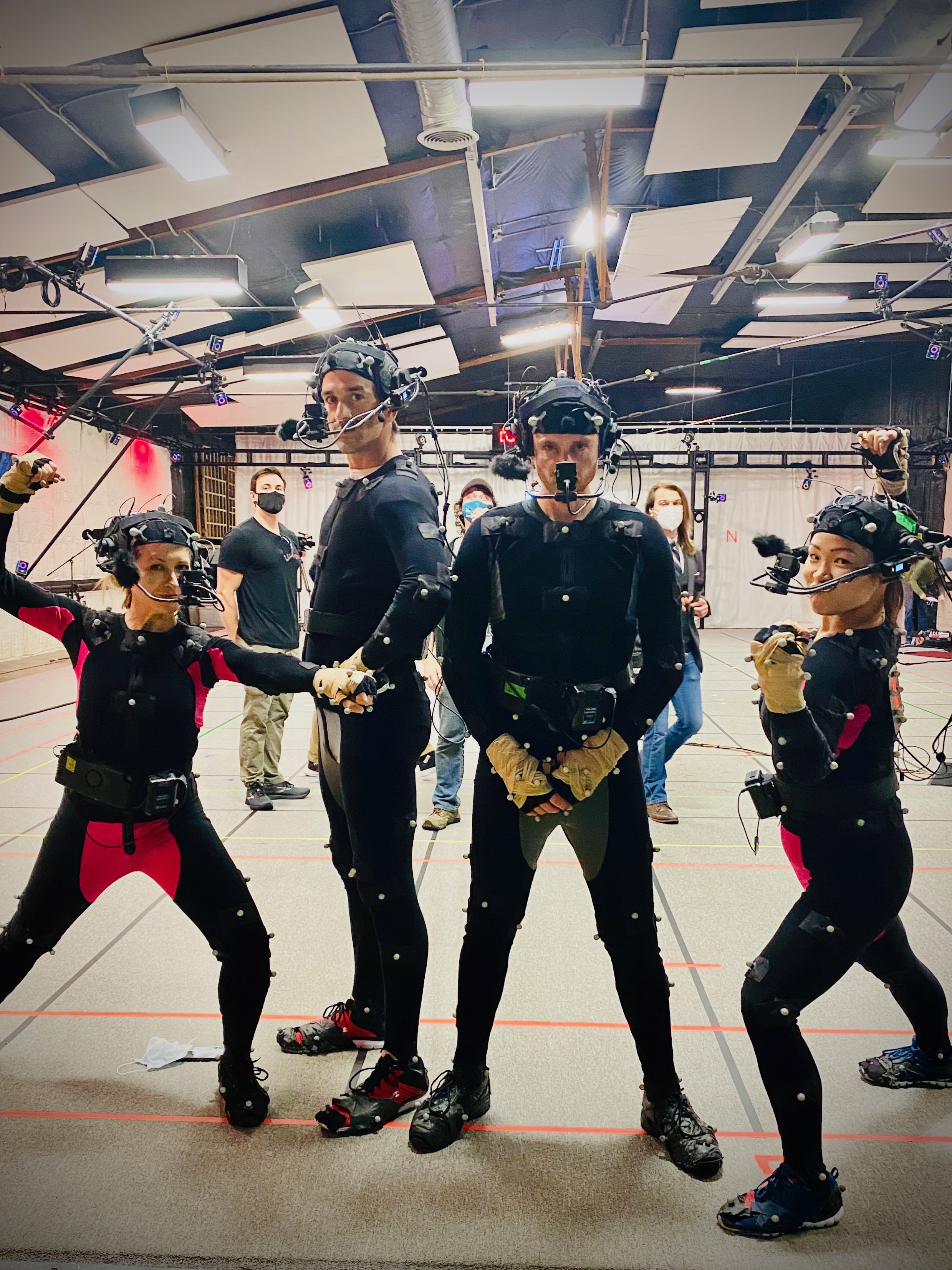
Nowadays, Ali is bringing even more life to her characters by jumping into the volume and doing performance capture, a combination of the career she fell in love with and the craft of theater that she built her life around. Her first opportunity was returning as Scout Harding in Dragon Age: The Veilguard, a character she had defined with her voice but could now define head to toe and where the hands in her pockets and the toe drawing in the sand were actually there for players to see. When she's not in the booth or the volume, she continues to meet her fans to foster the connections they have with her characters and allow them to grow even deeper. For Ali, the convention table is where the work comes back to her. Fans arrive already tearing up, telling her they played through military service, through an illness in the family, through a lockdown when a headset and a conversation were the only relationship available to them. Although she may be seen as the voice and face of these characters, Ali will always give the credit to BioWare and the creatives who built them. What she holds on to is what those conversations with the fans prove: that entertainment matters. That these games matter. That performance matters. It is something she spent the early years of her career downplaying when strangers asked what she did and instead of telling them the truth she told them, "I'm a librarian." Performing in games is what has allowed her to finally say "I'm an actor" and proudly stand by it.

"Whatever is your instinct, whatever you are best at, bring that to the table and don't try to be something you're not, because somebody will always be better at being that thing, and you will always be better at being your thing."

Watch Their Work

Special Notes

Questions Asked

1. Did you always want to be an actor and how did it come to be?

2. Did your family have an arts background growing up what made you want to try theatre?

3. You've worked in all these mediums, starting in theater, working your way into independent film. How did you transition into the video game space?

4. Did understanding the business side help you manage the auditioning and the rejection better?

5. With Harding, with Liara, with Lightning, when do you decide, okay, here I have to stick to the mold versus I see an opportunity to add something myself? And what do you feel like you gave to those characters?

6. You played Harding in Inquisition, which was VO, and then in Veilguard you got to do P-cap. What was it like playing that character in P-cap, and what did that allow you to bring to it that you couldn't do in VO?

7. How much of that physicality do you bring into voice over? Are you very physical in the booth?

8. Especially having so much experience in the booth, was there anything that took you a little bit to adjust to when you got into the volume? Were there tricks you did in the booth that you couldn't do anymore?

9. We were on Dragon Age for four years. Was there something that really stood out for you, like one moment or one day or a scene that has stuck with you?

10. What is your advice to people who might be afraid to embrace the fearlessness and take the next step toward something they want to do or achieve?

11. Mass Effect, Final Fantasy XIII, Dragon Age: The Veilguard, these are big franchises. How did that change your life, both professionally and personally, and what does having fans mean to you?

12. If you could go back to you back in North Carolina, just about to decide to go to New York, what would you say to yourself?

13. Your career was already thriving and all of a sudden you became a mother. How did motherhood change your approach to the work and the choices you make?


Episodes