Tom Keegan

PCAP & VO Director

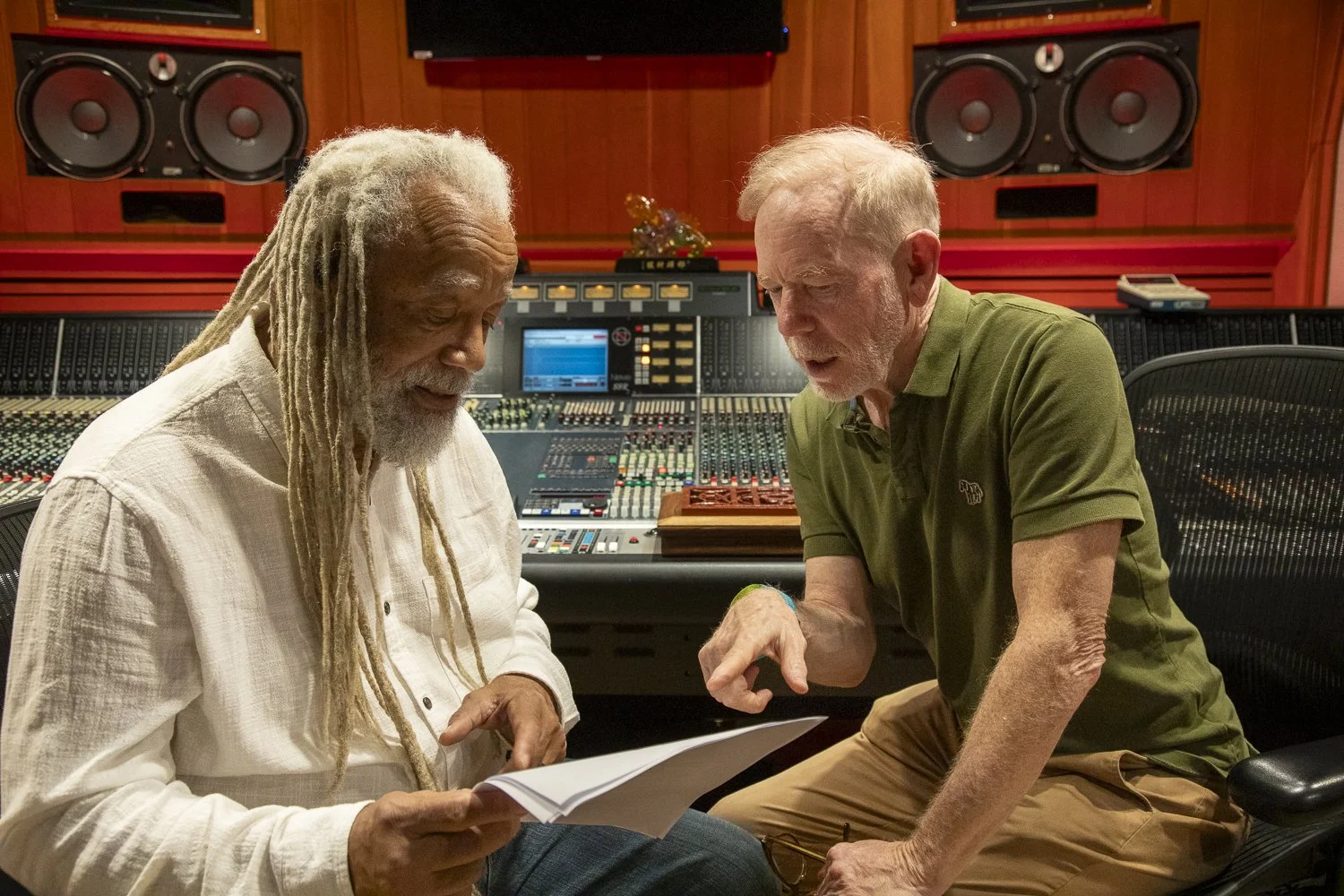
Tom Keegan | Trust Your Actors & Direct Great Performance
Follow them on
YouTube - Podcast X Webflow Template

Credits

No items found.

Guest Bio

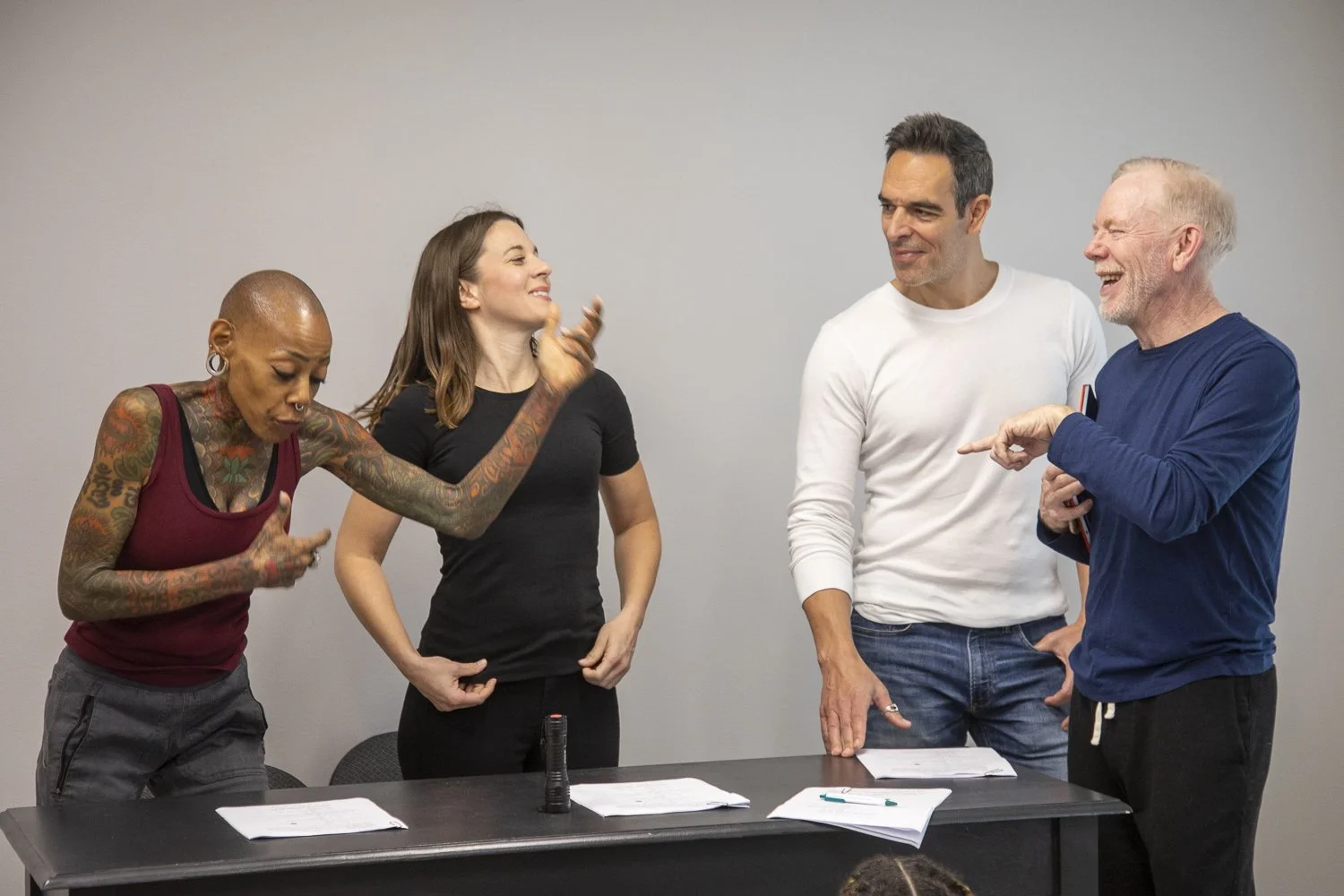
Tom Keegan grew up in upstate New York, and performance was prevalent in his house at a young age. From his father, who acted in the church plays, to his grandmother, who filled the house with song. Tom was the kid for whom "a school play day was like the day really worth living." He was off and running the moment there was a play to be in, and even then, in his neighborhood productions, he participated in organizing as much as performing. Complementary to performing, Tom was, in his own words, "a movement person" who was pulled toward gymnastics, running, skiing, anything that moved through space. In high school, a friend introduced him to a group run by a local woman who had trained at RADA. This group was a handful of teenagers working scenes from Shakespeare and Waiting for Godot, organized by the same people who ran the Schenectady Civic Ballet. This was where he saw people combine dance and performance, which was enough to settle the matter. He decided this was going to be his life. Tom then went to a college with a full conservatory drama program, with classical work in voice and movement, and started out as an actor before a visiting teacher from Yale piqued his interest in directing. His first experience directing was a Sam Shepard monologue and when his actor had issues memorizing the lines, Tom recorded the speeches and played them back as an internal monologue. Unbeknownst to him, this was his first time solving a performance problem with technology, but far from the last. After college, he continued to work in the New York performance art scene of the 1980s with a focus on queer theater that incorporated movement, graffiti, contact improvisation, mime, circus arts, and more. None of these rich experiences had pointed anywhere obvious yet, but Tom always wondered how it would all come together.

"I once had an acting teacher who said, on the last day, if you don't do anything else, if you don't go into theater or film or anything, having studied acting is good for the soul. And I think that's so true."

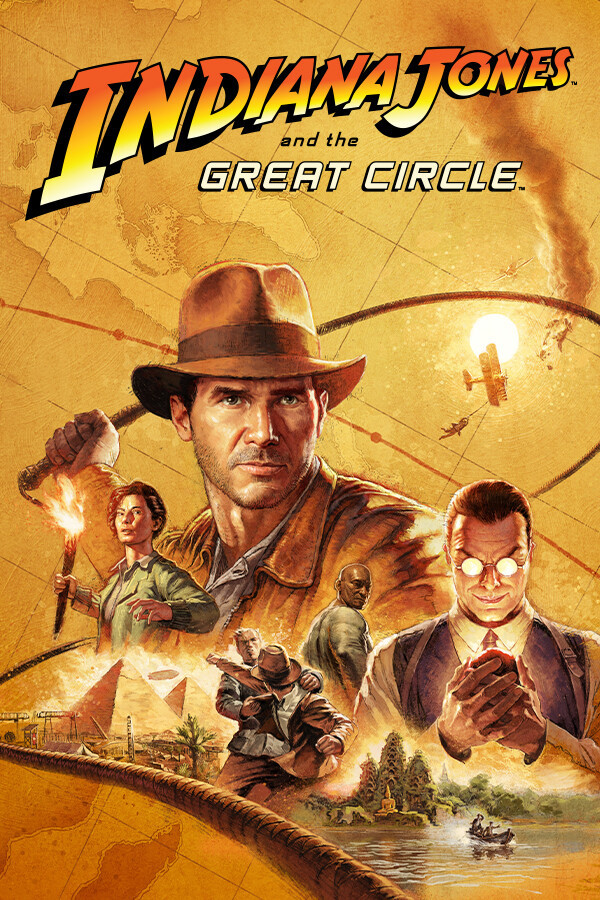
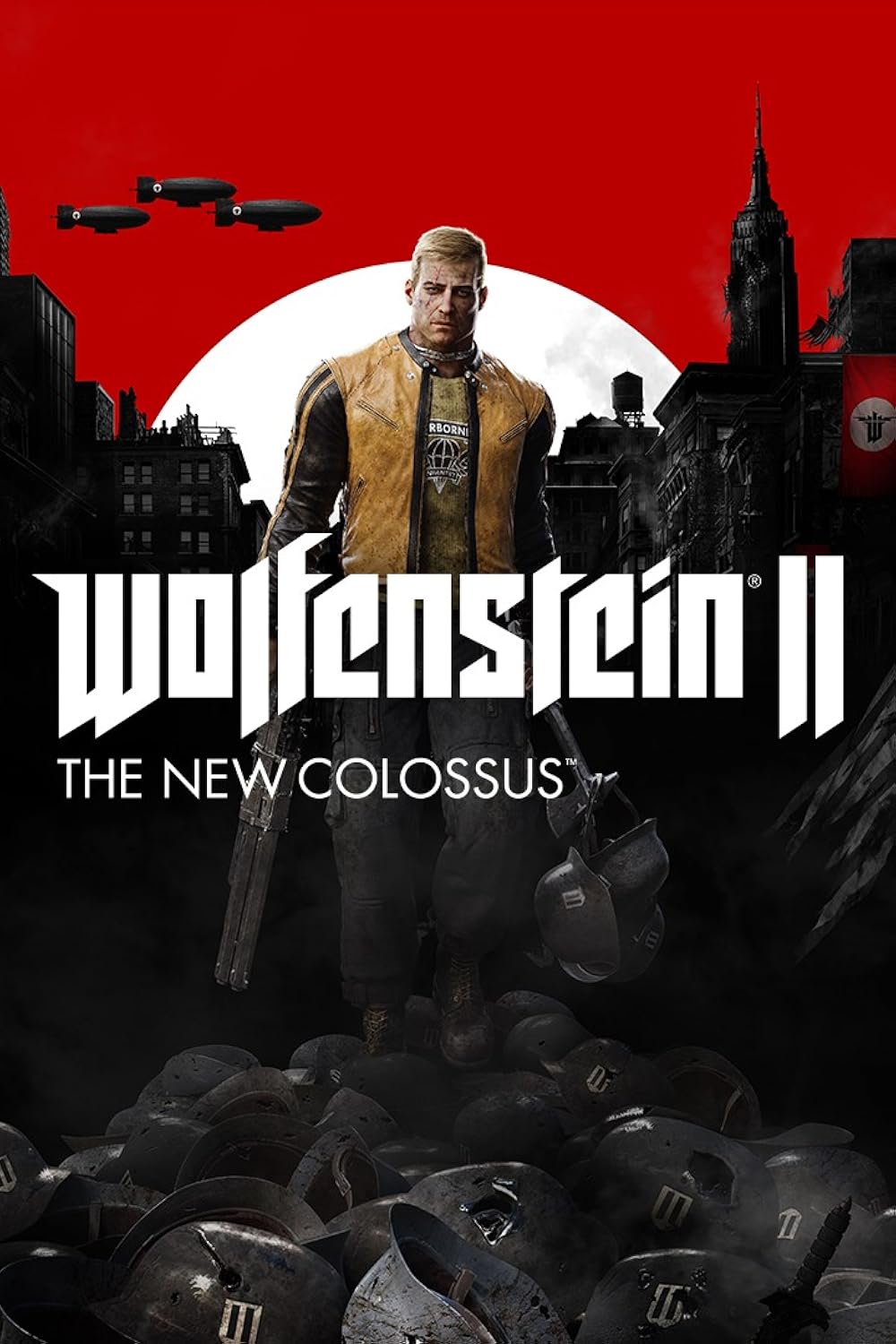
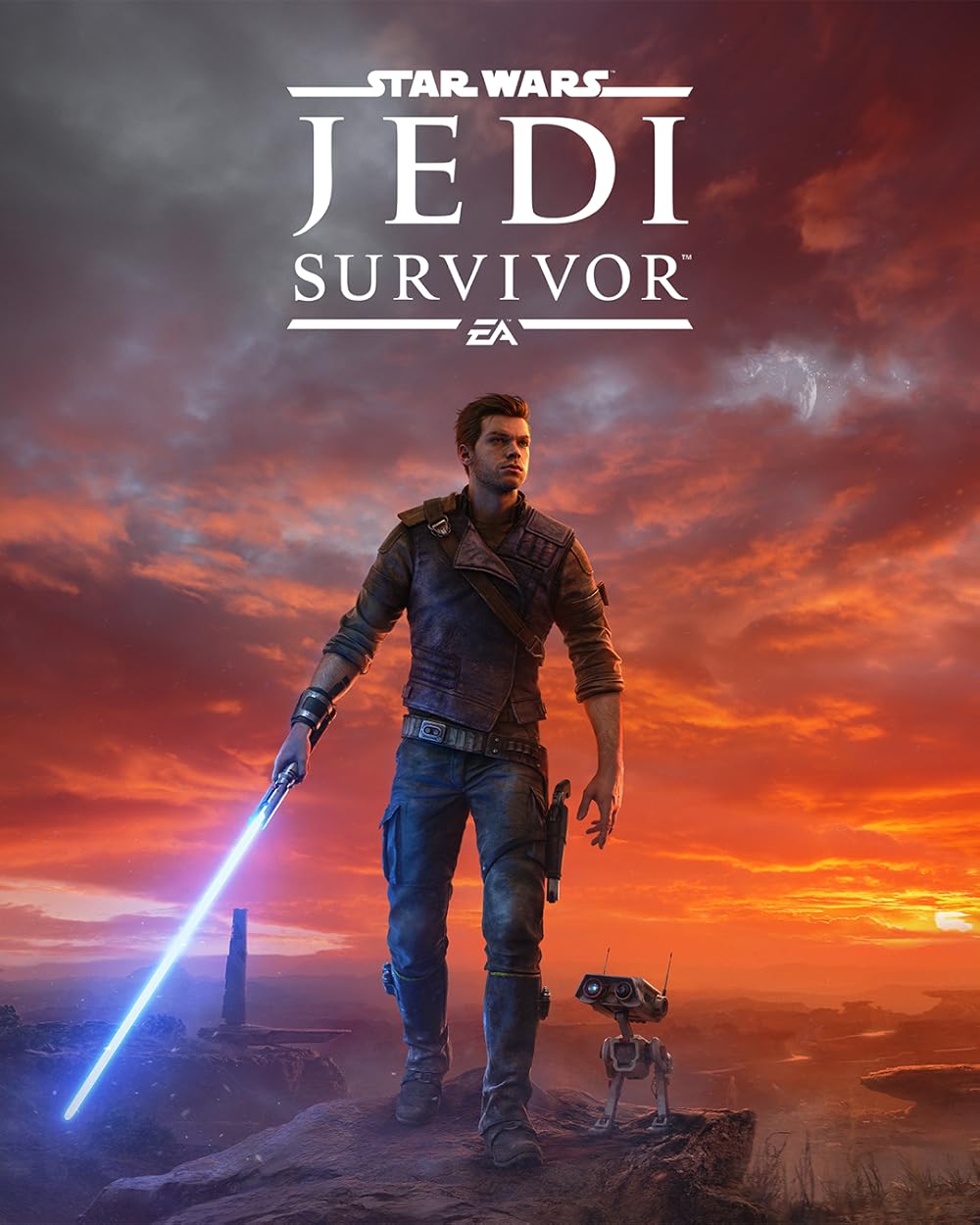
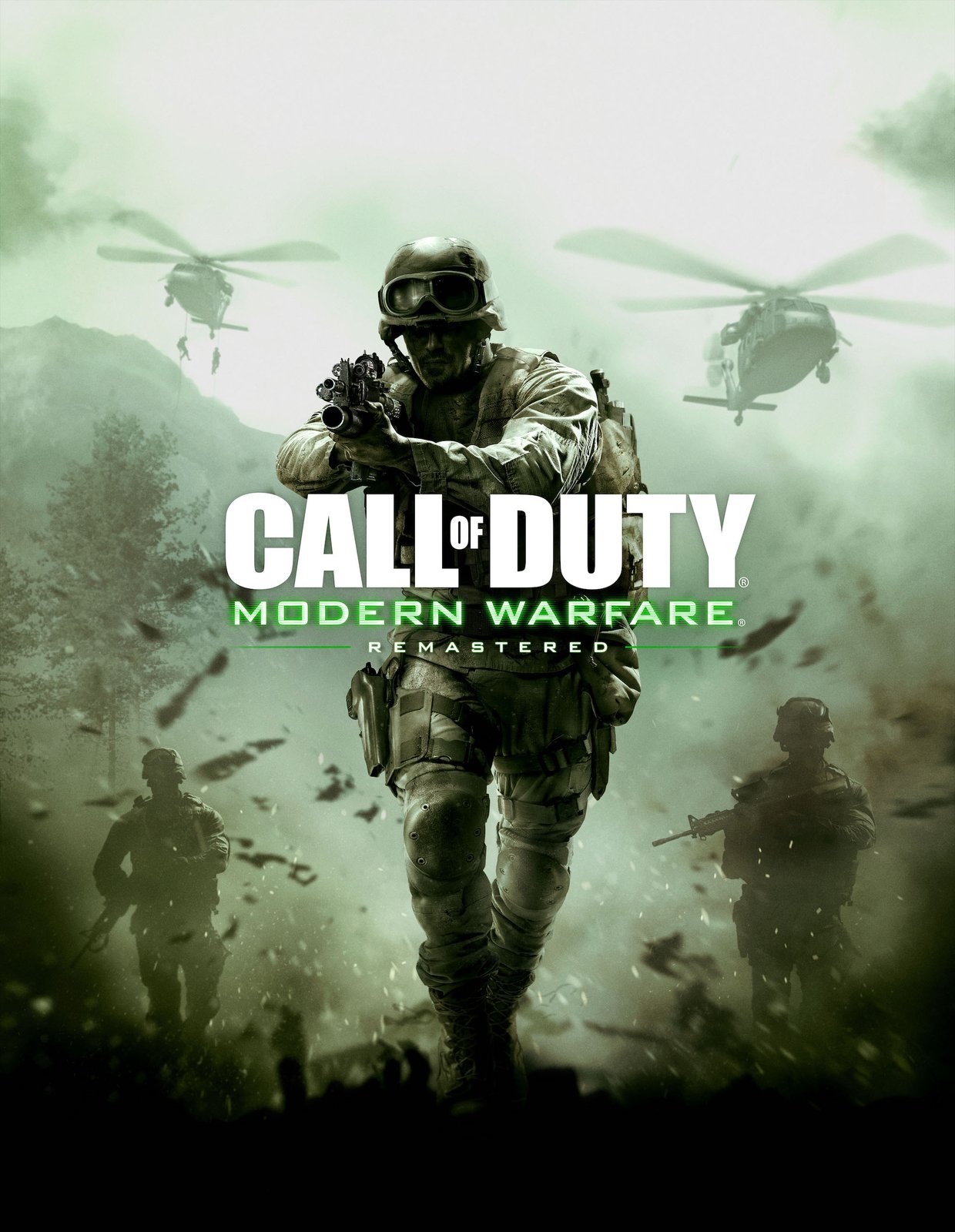
It came together in Los Angeles around 2002. Tom was the in-house "talent person" at Vivendi Universal Games when an American Idol game required a large emphasis on dancing, which meant somebody had to build a library of dance movements. He knew he had the experience for the job, so he connected with friends in the dance department at UCLA and took a choreographer to House of Moves, which was his first time in a mocap volume. Standing in the volume, he realized this was a space he wanted to work in. Soon after, the team that would become MachineGames connected with Tom about a new game titled The Darkness. They wanted to record voice and body at the same time. Tom was excited for the challenge, and he agreed on the spot. This project required him to think in a whole new way as crews built the set around the actors rather than the other way around. The projects continued to scale from there, and his process continued to develop. During Battlefield 3, he started incorporating his iconic voice and movement warm-ups to get talent centered and comfortable in their suits before a shoot. Mirror's Edge taught him to invent "business" for the actors out of whatever resources a virtual environment offers. On Wolfenstein II, he expanded his casting net when he had to help find two eighty-year-old actors who spoke Polish and English. Battlefield 1 and Star Wars Battlefront II followed, then Star Wars Jedi: Fallen Order, where he learned how to ground existing franchises with honest performances, such as his suggestion of a dinner scene in Jedi: Fallen Order that became one of the game's most watched and shared moments. More recently, he directed Indiana Jones and the Great Circle, where he worked with Troy Baker to "get inside" an iconic character rather than imitate him. Across all of it, his love has grown, but his approach has stayed the same: that PCAP is real acting, as much like a play as a film and a voice session all wrapped together, and that the actor is a collaborator to be conducted, never a puppet to be worked.

"There's a cliche that actors just want the applause. They just want to connect. Actors and directors want to connect with each other, and they want to share that connection with you, so that you can connect with the game and have an experience that's transcendent and rich."

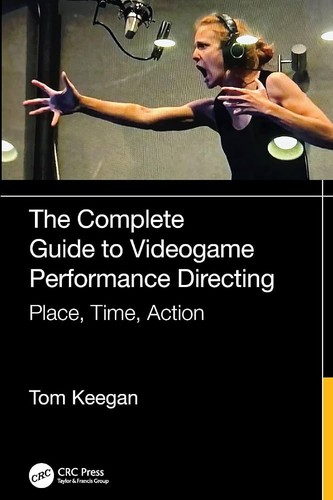
Nowadays, Tom continues to direct award-winning games, but he has also decided to share his craft by writing a book titled "The Complete Guide to Videogame Performance Directing." His book is a unique perspective on storytelling for games through a focused lens of performance and theater. It's presented as a journey through the years when video games were still working out how to best capture performance, and he provides examples of how you can structure your own videogame shoots. His hope with this book is that it helps directors understand the concepts that he learned in drama school, especially if they've never attended. It's a resource so that anyone who directs actors knows how actors are trained, how to determine what characters want, how actors mean to affect the person across from them, and that the director is a kind of role master setting up the situation and translating it. As Tom says, "It's a great life. I'm so grateful. Really." Grateful that every time he walks onto the volume for a project, he gets the same feeling as when he was a child going to a school play day. A day really worth living.

"You need to open the space for an actor to be vulnerable. I always say to directors, if they're going to cry, you should be crying off camera with them. You need to be feeling."

Watch Their Work

Special Notes

Buy Tom's book if you want to learn how to take your performance or directing skills to the next level and craft award-winning performances.

Buy Tom's Book Here!

Questions Asked

1. "Did you always want to be a director, or how did this come to be?"

2. "What's your background, where did you grow up, and was theater the main resource you had to explore acting, or did you always have a specific draw to it?"

3. "What benefits did you get out of studying theater in college, and do you recommend that path for younger emerging actors trying to learn this?"

4. "How do you perceive that a talent warm-up benefits the entire production?"

5. "When you have scenes that are very high stakes, fighting a monster or playing a dragon, how do you help an actor find the truth in that?"

6. "What questions do you ask to figure out what your parameters are, or what questions can an actor ask to utilize the scene when they're in a room that is pure imagination?"

7. "What was your introduction to the video game mocap and PCAP space, what stood out to you as different, and what were the complications you had to figure out how to navigate?"

8. "What are your go-to tactics or your process to help actors feel comfortable in the space and understand how they can still perform with all the tech on?"

9. "When an actor has to play a character who has a life belief that is so contrary to their own, how do you help them process that and find truth in it?"

10. "Have you ever seen an actor have trouble disconnecting or decompressing from heavy subject matter, and do you have any advice or a process to help them re-center themselves?"

11. "When you're watching auditions and looking for somebody to fit into a role, is there a particular moment where somebody stands out and you're like, yep, that's the one?"

12. "When you come in with your vision as a director, how do you balance that with the vision of the game makers and the people who are going to make the final casting calls?"

13. "How does your process differ with VO, and how does it differ for the actors when they go into a booth without another talent to perform with?"

14. "Has there been anyone in particular, or a specific role, that has really stood out to you, or potentially even opened up a new perspective on how you can direct talent?"

15. "Looking back, if you could talk to that younger Tom, what would you say now after your entire ride, after your book and living this artistic life?"


Episodes