
Listen Now


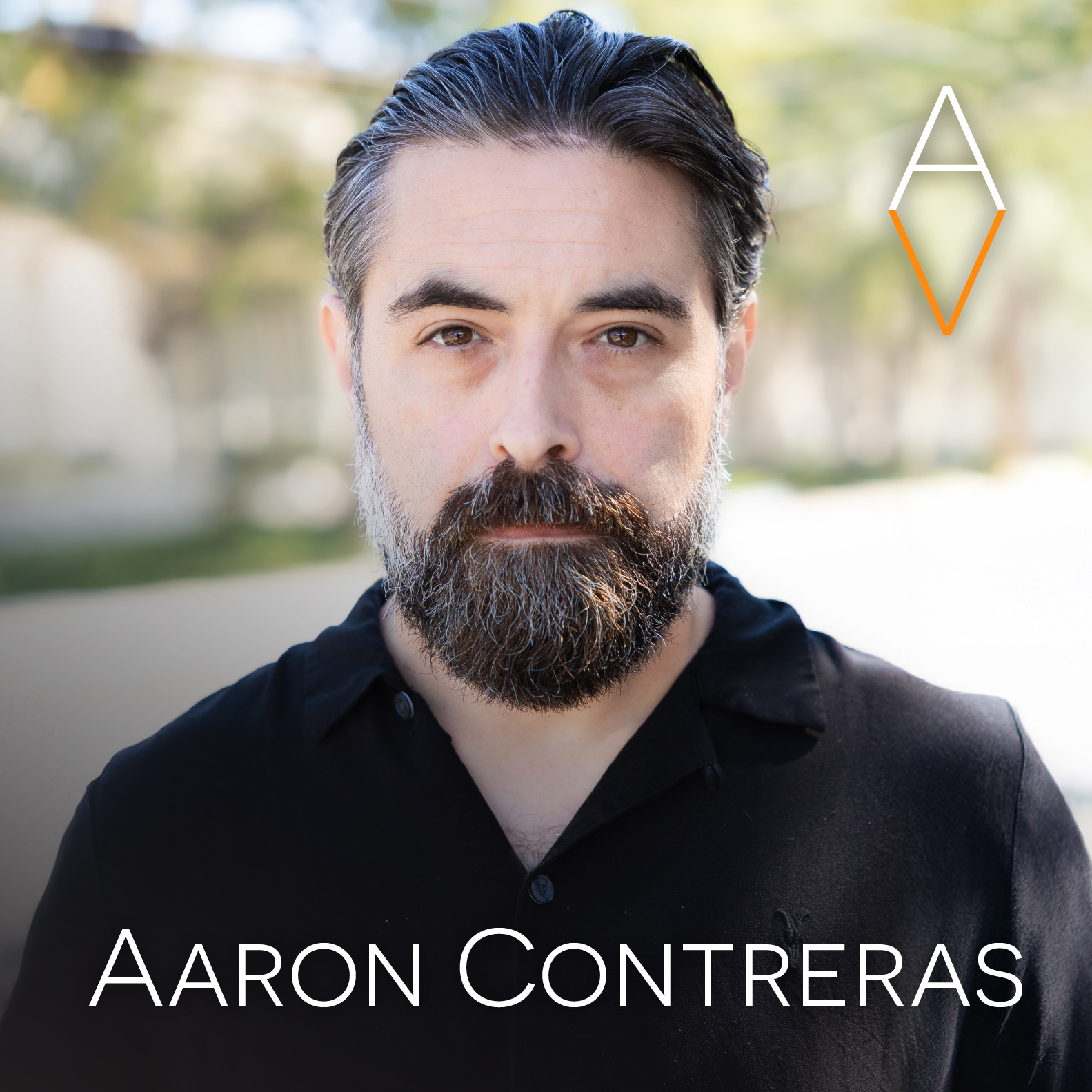


Aaron Contreras was born in 1977, too late to catch Star Wars in a theater and early enough that it settled into his bones anyway. His brain, as he puts it, was too soft when it was the thing, so it is in there with him for good. Around it grew an appetite for everything the films were built out of: myths, fantasy, Kurosawa and samurai fiction, Westerns, Buck Rogers screwball comedies. Video games were the other constant, an obsession he describes without much hedging as an addiction he eventually turned into a profession. What he did not have was a way in. He never went to university, a choice he still turns over, wishing he had studied harder and learned to program, and for years it left him outside the only industry he had ever wanted to work in. He could not get a design interview. Nobody, he says, would have looked at him for a writing gig. He failed repeatedly, and finally framed the whole thing for himself in deliberately absolute terms: he was going to make video games or die trying. "That's how much I sucked," he says. "If I didn't frame it for myself in sort of catastrophic binary, you're going to do this or you're going to do that, I just wouldn't have done it, because I would have made up excuses." So he got stuck into the industry any way he could, taking a first game development job remotely from home back when hardly anyone worked that way, and started building the game design foundation that everything he does now still rests on.
Get it on the sticks, get it in the game as rapidly as possible. Just do it. Talking about the thing and doing the thing are two totally separate occupations. At some point, the work you're doing that's not the art is keeping you from actually doing what you need to do.
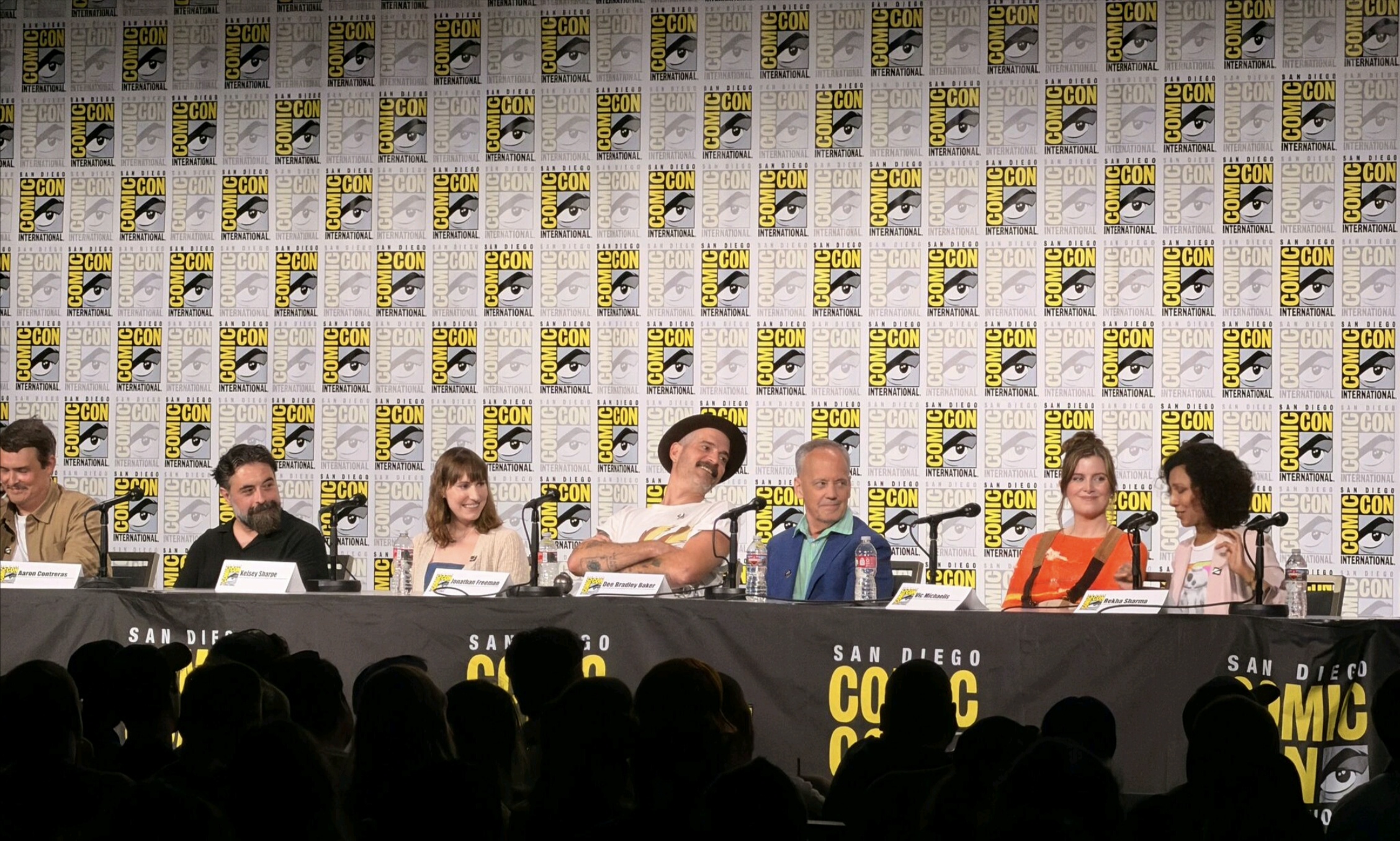
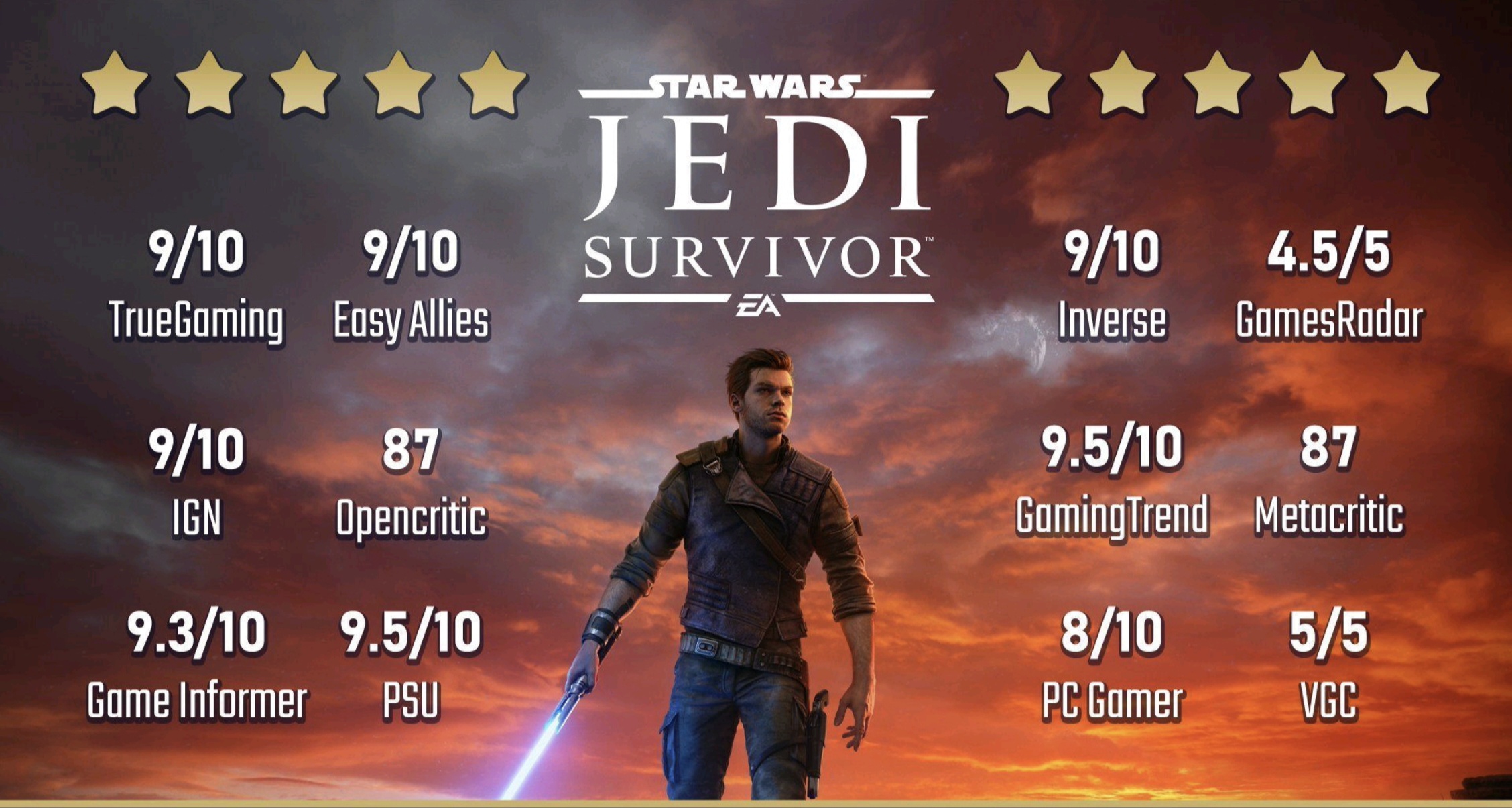
That foundation carried him through years of video game narrative work, and in late 2017 he joined the team at Respawn building Star Wars Jedi: Fallen Order, which shipped in late 2019. It was the first project where he had any serious cinematic involvement, so he leaned hard on performance director Tom Keegan, carrying the title of writer on set even while he was effectively calling the narrative shots. A rough outline was already in place when he arrived, and one of his first moves was to push the Order 66 flashback later in the game, so the player only reaches Cal Kestis's worst memory after hours of falling off cliffs, dying and retrying, having lived their own version of the same path of failure and persistence. Failure, he says, is the one thing he and Cal have in common, and the game is built on it. Psychometry, Cal's ability to touch an object and read it through the Force, came from him because it worked as a gameplay verb rather than a cutscene, and BD-1 getting hurt by Darth Vader was his idea as well. He made Star Wars his homework, learning the lore down to how refined Tibanna gas sets the color of a blaster bolt, so the storytelling would land as authentic with Lucasfilm and with players. The instinct underneath all of it was to get the story on the sticks, in the player's hands, rather than in a hard cut. Star Wars Jedi: Survivor followed with the ambition to beat the first game in every way, and then the pandemic moved a craft built on rooms and eye contact onto Zoom. He still calls that the hardest stretch of his career, and he is not convinced he ever solved it.
I don't really put much stock in originality for ideas. I think things become original through the combination of ingredients that you put together, and the pressure cooker of the project. It's not about having an idea nobody's ever had before. It's about finding innovative ways to put things together.
Nowadays, Aaron directs narrative and cinematics on Star Wars Zero Company, a turn-based tactical game set during the Clone Wars where you play Hawks, a former Republic officer running an independent outfit, and where the tone leans on the 1940s and 50s noir and screwball comedy he hears underneath that era of Star Wars. He came up through game design rather than screenwriting, so his teams work both ends of the job, performance and voiceover on one side, the systems and tools that build narrative gameplay on the other. He calls game development a team sport and means it. He is not the only person writing these games, just the one voice doing them, and he sees his role as hearing the brand, the game team, the stunt coordinator, and the actors who know their characters better than most writers do, then finding the path that puts the game in the best position to succeed. Constraints are how he finds his way through, since what you cannot do and what you have to do rapidly decide what you want to do. His advice is plain: writers should go act, because there is no doing the thing without exposing yourself, and go get technical, get the reps in, don't be precious about it. Under all of it sits one belief he states without hedging. "If you want to be a thing, go be it. And if you want it true enough, the world can't stop you." Persistence, he says, is the only omnipotent thing out there, and it is the whole reason he is sitting in that chair. He just never went away. Although he will admit he is an inconsistent night writer, and the to-do list this year is still the same two stubborn items: wake up early to write, and go jogging.
If you want to be a thing, go be it. And if you want it true enough, the world can't stop you. Persistence is the only omnipotent thing out there in the world. That's why I'm doing what I'm doing, why I'm sitting here. I just didn't give up.
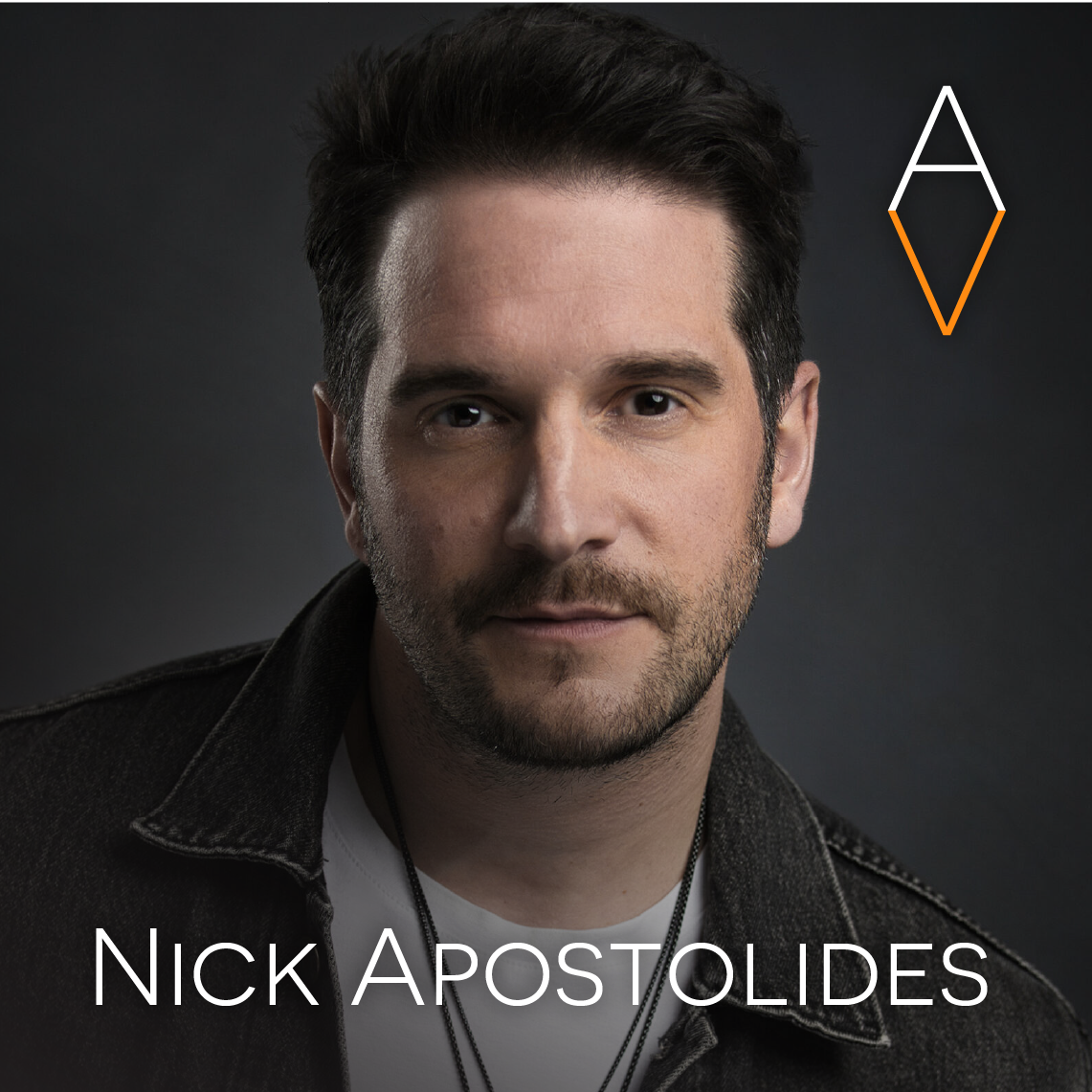
Learn how Nick Apostolides (PCAP & VO Actor) went from a Boston concierge to voicing and performing iconic characters in videogames and anime. Hear how a lifelong love of videogames and total commitment to truth, trusting his instincts, and taking risks shaped his career into something he could have never imagined.
Learn how Nick Apostolides (PCAP & VO Actor) went from a Boston concierge to voicing and performing iconic characters in videogames and anime. Hear how a lifelong love of videogames and total commitment to truth, trusting his instincts, and taking risks shaped his career into something he could have never imagined.

Learn how Cissy Jones (VO & PCAP Actor) left a Silicon Valley career to pursue voiceover and PCAP in games. Hear how she has evolved her career of playing grounded, powerful leaders into fighting for actors' rights against abusive AI practices and helping Congress craft bills that will help preserve the future of this industry.
Learn how Cissy Jones (VO & PCAP Actor) left a Silicon Valley career to pursue voiceover and PCAP in games. Hear how she has evolved her career of playing grounded, powerful leaders into fighting for actors' rights against abusive AI practices and helping Congress craft bills that will help preserve the future of this industry.

Learn how Jay Walker, (PCAP, Film, & TV Actor) chose his love of acting over a secure future he wasn't passionate about. Hear how this lifelong gamer, who never planned on acting in games, found his favorite performance medium in PCAP and is now the lead character in one of his all time favorite gaming franchises.
Learn how Jay Walker, (PCAP, Film, & TV Actor) chose his love of acting over a secure future he wasn't passionate about. Hear how this lifelong gamer, who never planned on acting in games, found his favorite performance medium in PCAP and is now the lead character in one of his all time favorite gaming franchises.

Learn how Gideon Emery (PCAP, VO, TV, Film, & Theatre Actor) has honed his craft through years of theater to decades voicing and performing in blockbuster video games. Learn how acceptance is the heart of his craft, why he finds PCAP to be the ultimate performance, and how he gave a droid (BD-1) it's soul through a nose flute.
Learn how Gideon Emery (PCAP, VO, TV, Film, & Theatre Actor) has honed his craft through years of theater to decades voicing and performing in blockbuster video games. Learn how acceptance is the heart of his craft, why he finds PCAP to be the ultimate performance, and how he gave a droid (BD-1) it's soul through a nose flute.

Laugh, cry, but mostly laugh as Zach Mendez (Voice & PCAP Actor) shares his journey from an elementary school teacher to acting in AAA Videogames. Hear how he "Finds His Fun" while performing and learn how his positive approach to his craft has led his career to some truly incredible opportunities.
Laugh, cry, but mostly laugh as Zach Mendez (Voice & PCAP Actor) shares his journey from an elementary school teacher to acting in AAA Videogames. Hear how he "Finds His Fun" while performing and learn how his positive approach to his craft has led his career to some truly incredible opportunities.

Hear Matthew Brezina's (Mocap AD & PCAP Producer) journey from a small-town upbringing to becoming involved in key projects within the world of performance capture, offering insights into the challenges, triumphs, and technical artistry of the video game industry.
Hear Matthew Brezina's (Mocap AD & PCAP Producer) journey from a small-town upbringing to becoming involved in key projects within the world of performance capture, offering insights into the challenges, triumphs, and technical artistry of the video game industry.

Hear how Richard Dorton (Mocap Actor & Director), known as the Mocap Man for his ability to bring any character to life, has lived his dream and played iconic roles from Darth Vader to Wolverine over the course of two decades working in the Mocap Industry.
Hear how Richard Dorton (Mocap Actor & Director), known as the Mocap Man for his ability to bring any character to life, has lived his dream and played iconic roles from Darth Vader to Wolverine over the course of two decades working in the Mocap Industry.

Jeff Berg (PCAP & VO Actor) shares his journey from theater to PCAP, reflecting on the importance of bringing his authentic self to every role. Learn how Jeff unifies cast and crew, creating incredible experiences on set and how his fatherhood has been a super power that has propelled his career.
Jeff Berg (PCAP & VO Actor) shares his journey from theater to PCAP, reflecting on the importance of bringing his authentic self to every role. Learn how Jeff unifies cast and crew, creating incredible experiences on set and how his fatherhood has been a super power that has propelled his career.

Hear how Emily Schweber's (Casting Director) unique career has spanned from printing T-shirts to casting for Titanic. Gain valuable insights into what actors need to know for auditions, including how to stand out, embrace adaptability, and make a lasting impression in both film and video game casting.
Hear how Emily Schweber's (Casting Director) unique career has spanned from printing T-shirts to casting for Titanic. Gain valuable insights into what actors need to know for auditions, including how to stand out, embrace adaptability, and make a lasting impression in both film and video game casting.

Hear Jee Young Han’s (PCAP, Film, TV Actor) unique journey from being a shy, quiet kid to building an acting career across multiple mediums. Discover how she transitioned her career from New York to LA, found a passion for Motion Capture, and continues to push the boundaries of her craft while staying true to herself.
Hear Jee Young Han’s (PCAP, Film, TV Actor) unique journey from being a shy, quiet kid to building an acting career across multiple mediums. Discover how she transitioned her career from New York to LA, found a passion for Motion Capture, and continues to push the boundaries of her craft while staying true to herself.


